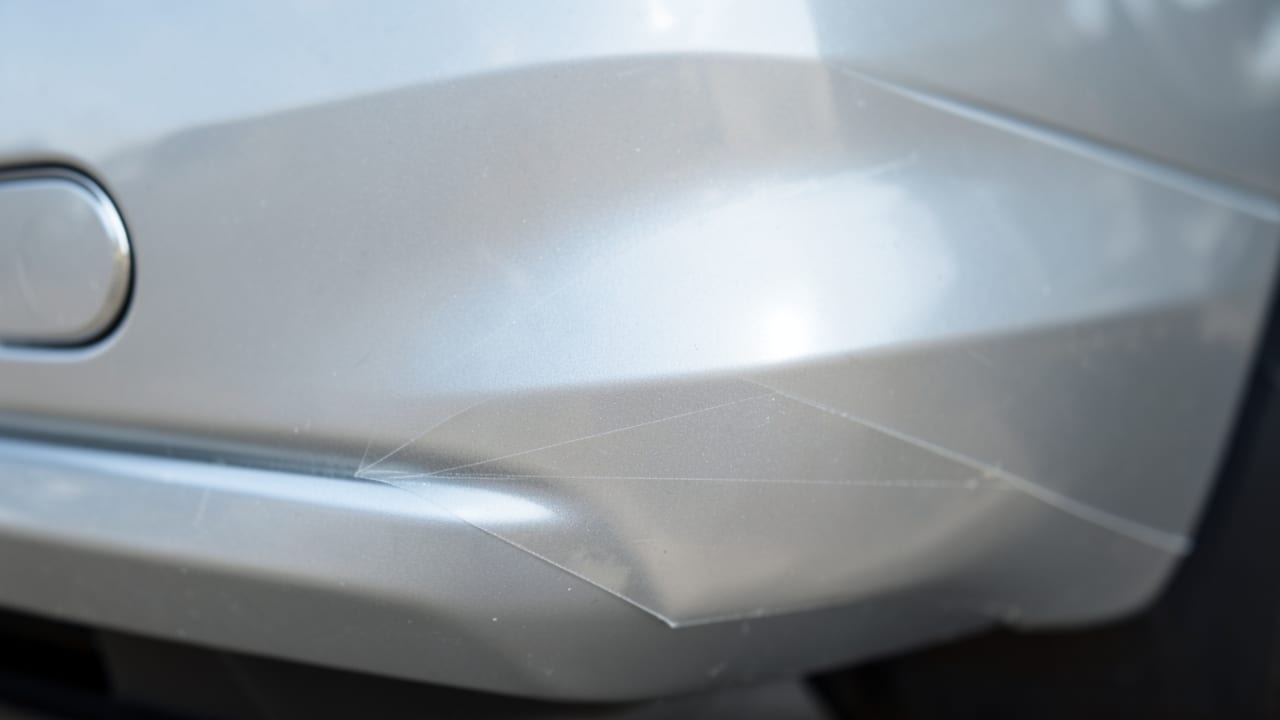
Paint Protection Film (PPF) Installation
Self-healing clear PPF installation in Honolulu, HI for high-impact panels or a full-body wrap — real physical protection against rock chips and road debris.
In Honolulu, HI, we install Paint Protection Film (PPF) to shield your vehicle’s paint from rock chips, road debris, and minor abrasions. This clear, self-healing urethane film acts as a physical barrier on high-impact areas or as a full-body wrap, preserving your car’s finish and value.
Why PPF Outperforms Ceramic Coatings for Impact Protection
Ceramic coatings provide a glossy, hydrophobic layer but cannot stop physical damage like rock chips. PPF, however, is thick enough to absorb impacts that would otherwise chip or scratch your paint. Its top layer is self-healing, meaning light swirls and scratches disappear with heat from sunlight or a heat gun.
We also handle Bug Splatter Removal and Full-Vehicle Ceramic Coating for Honolulu vehicles.
For Honolulu drivers, this means protection against highway debris, bug etching, and minor abrasions. Unlike coatings, PPF is a physical barrier that prevents damage before it reaches your paint, making it the superior choice for long-term preservation.
| Protection Type | Stops Rock Chips | Self-Healing | Physical Barrier |
|---|---|---|---|
| Paint Protection Film (PPF) | Yes | Yes | Yes |
| Ceramic Coating | No | No | No |
Custom Coverage Options for Your Honolulu Vehicle
We offer coverage levels tailored to your needs, from partial front-end kits to full-body wraps. Partial kits protect the highest-impact zones—hood edge, bumper, mirrors, and fender leading edges—while full-body wraps provide comprehensive protection.
Our team will walk your vehicle with you, pointing out wear patterns common in Honolulu before recommending a coverage level. This ensures you get the right protection without overpaying for unnecessary coverage.
Common PPF Coverage Levels
- Partial Front-End Kit (Highest-Impact Zones)
- Full Hood and Fender Kit
- Full-Body Wrap (Complete Protection)
Precision Installation in a Dust-Controlled Environment
Each PPF panel is cut from computer-generated patterns specific to your vehicle’s make and model, ensuring a precise, wrapped-edge fit with no lifting at panel gaps. Installation is performed in a clean, dust-controlled space to prevent debris from being trapped under the film.
Dust or debris under the film can create visible bumps, which is why workspace cleanliness and meticulous prep are critical. Once installed, the film sets permanently, so every step must be executed with precision.
How Paint Protection Film Installation Works
Our PPF installation process ensures a flawless, long-lasting finish.
- 1Vehicle Inspection and Cleaning
We thoroughly inspect your vehicle for existing damage and clean all surfaces to remove contaminants like wax, oils, or dirt. This ensures a clean base for the film to adhere to.
- 2Computer-Generated Pattern Cutting
Using vehicle-specific patterns, we cut each PPF panel to match your car’s exact dimensions. This ensures a precise fit with no gaps or lifting at panel edges.
- 3Dust-Controlled Installation
In a clean, dust-free environment, we apply the film to your vehicle, carefully smoothing it to eliminate air bubbles and ensuring a seamless, invisible finish.
- 4Final Inspection and Optional Ceramic Coating
We inspect the installation for imperfections, then optionally top the film with a ceramic coating for added gloss, slickness, and easier maintenance.
Frequently Asked Questions
Does PPF actually prevent rock chips?
Yes. Unlike ceramic coatings, PPF is a thick physical barrier designed to absorb impacts from rocks, debris, and minor abrasions, preventing damage to your paint.
How long does PPF last in Honolulu’s climate?
With proper care, PPF can last 5-10 years. The film’s self-healing properties and UV resistance make it durable in Honolulu’s sunny, humid conditions.
Can I add a ceramic coating over PPF?
Yes. We often recommend this combination for added slickness, easier cleaning, and a uniform gloss between filmed and unfilmed panels.
Is full-body PPF worth it for my car?
It depends on your priorities. Full-body PPF offers maximum protection but is more costly. We’ll walk your vehicle with you to assess wear patterns and recommend a coverage level that suits your needs.
See Ocean Pointe, HI for more, or see the ceramic coating work we do around Honolulu by service type for our complete lineup.
Ready to get started?
Talk to a local ceramic coating pro in Honolulu — get a written quote.
Other Ceramic Coating Services in Honolulu
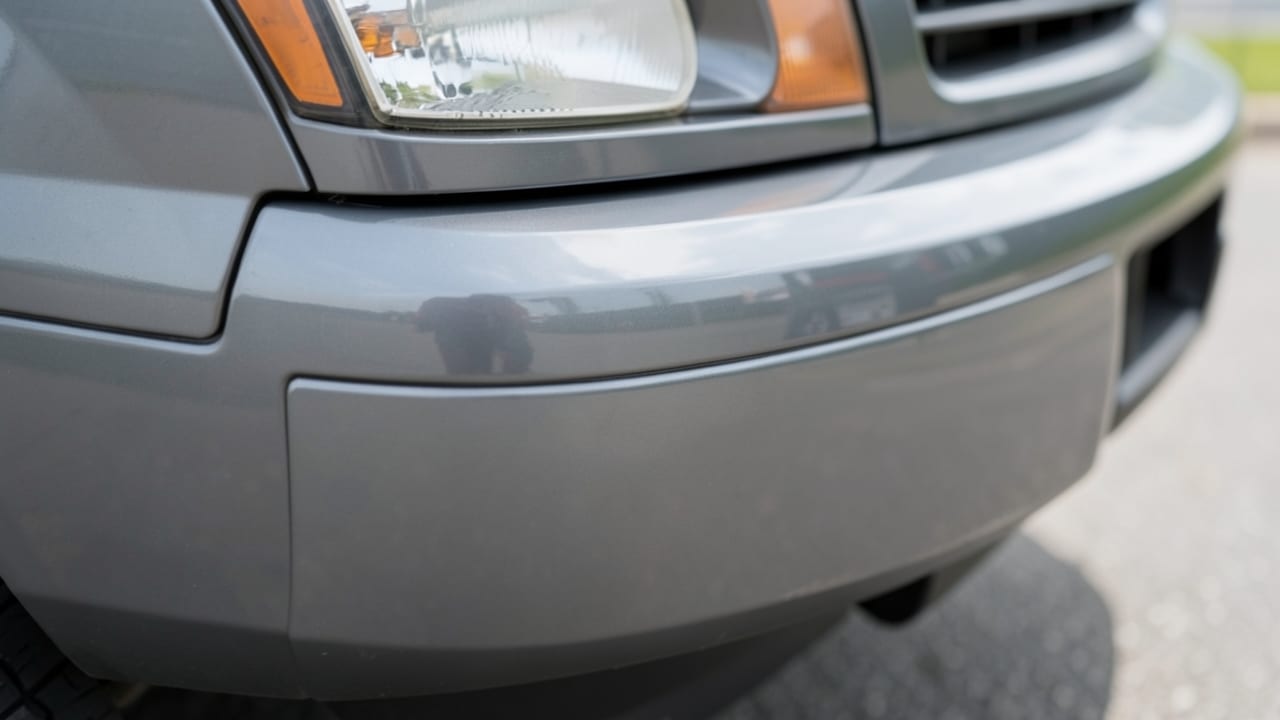
Bug Splatter Removal in Honolulu, HI
Professional removal of insect residue from vehicle paint without damaging the ceramic coating or finish.
Learn More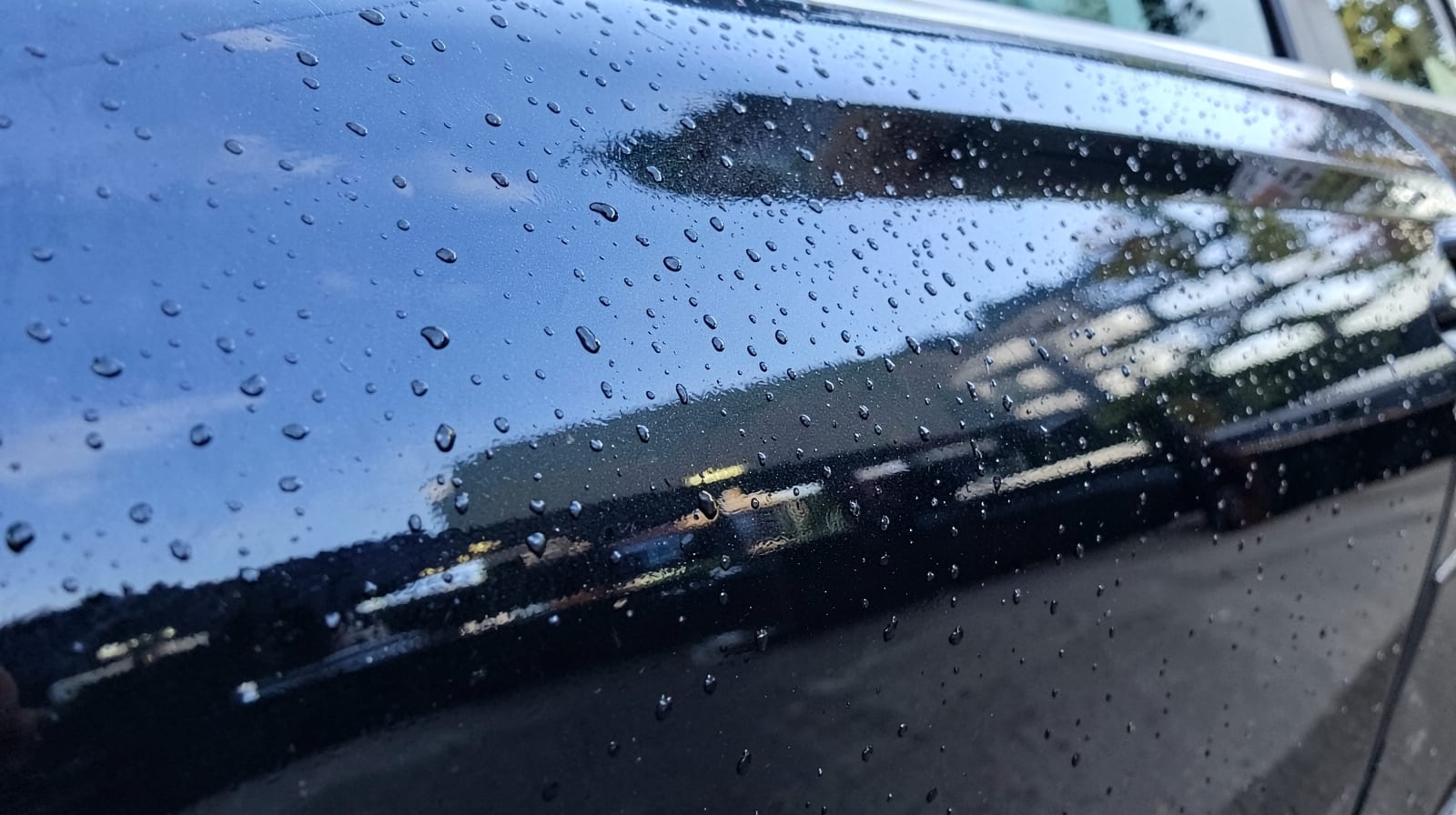
Full-Vehicle Ceramic Coating in Honolulu, HI
Professional nano-ceramic coating for vehicles in Honolulu, HI — a hard, semi-permanent SiO2 layer for deep gloss, strong hydrophobic protection, and easier washing.
Learn More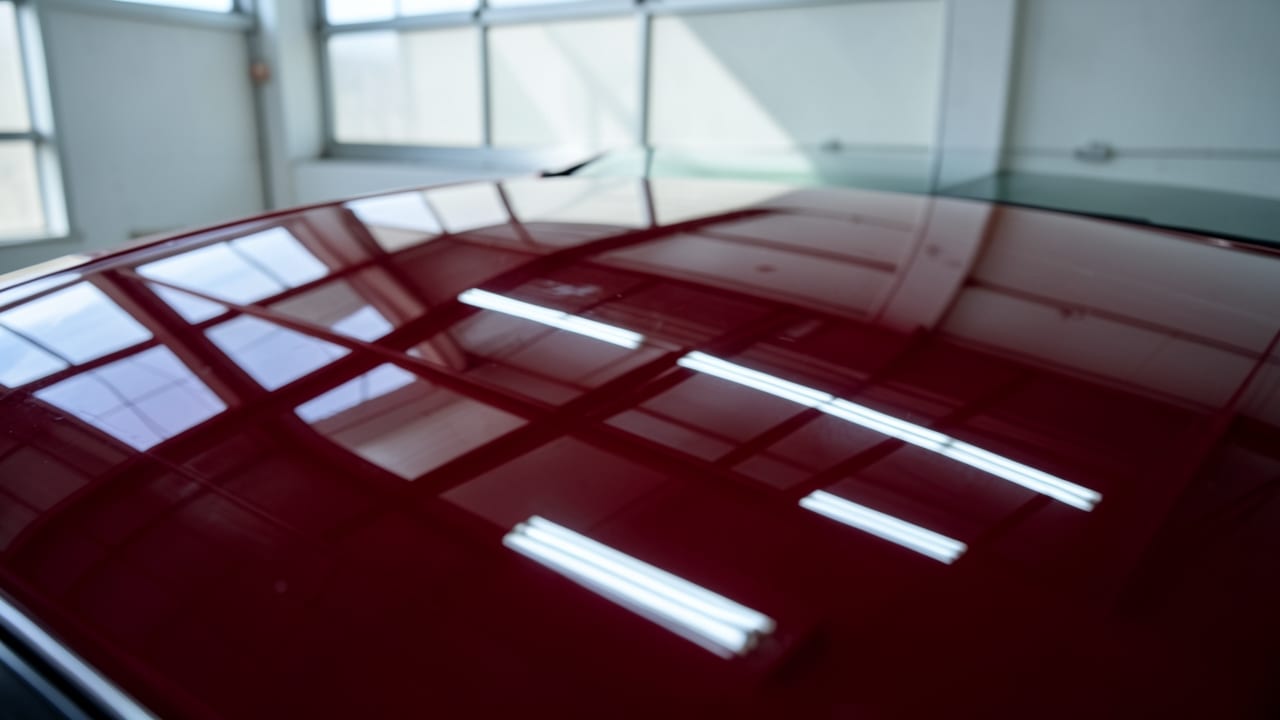
Paint Correction & Polishing in Honolulu, HI
Machine paint correction and polishing in Honolulu, HI — removes swirl marks, oxidation, and water spots, and is the mandatory first step before any ceramic coating.
Learn More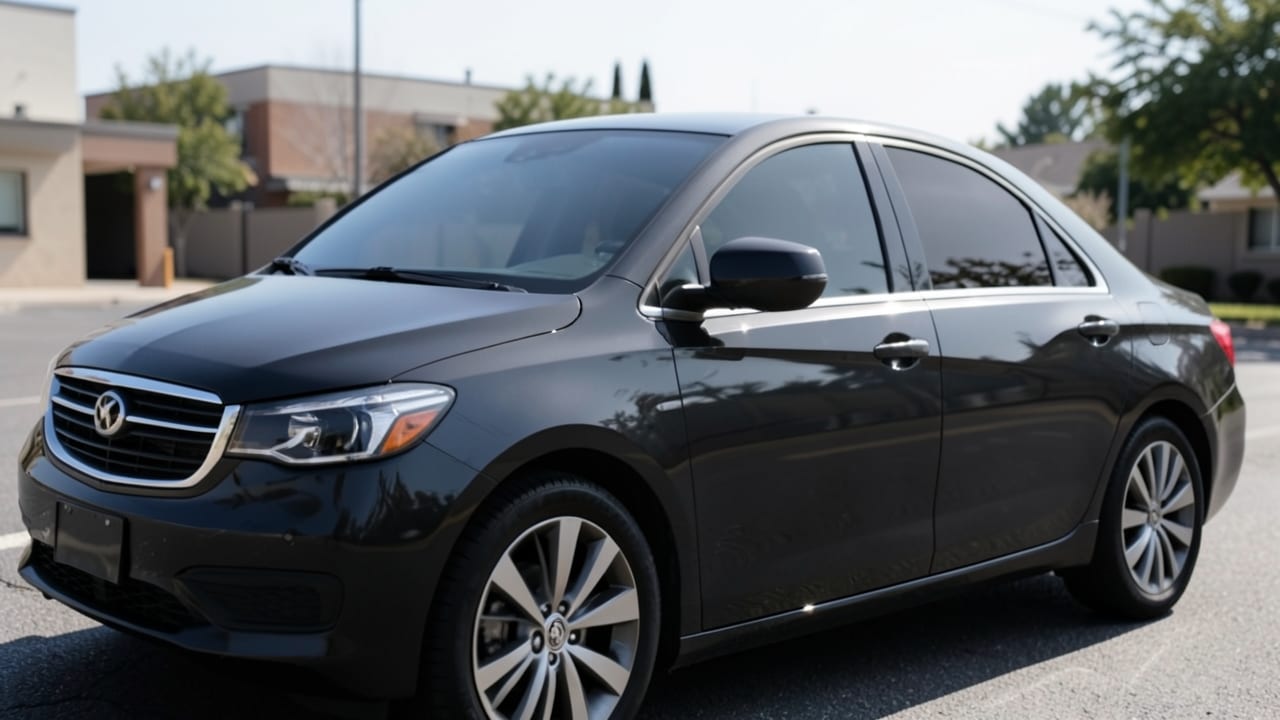
Ceramic Window Tint in Honolulu, HI
Nano-ceramic window tint in Honolulu, HI — rejects heat and blocks 99% of UV without the signal interference or fading of cheaper films.
Learn More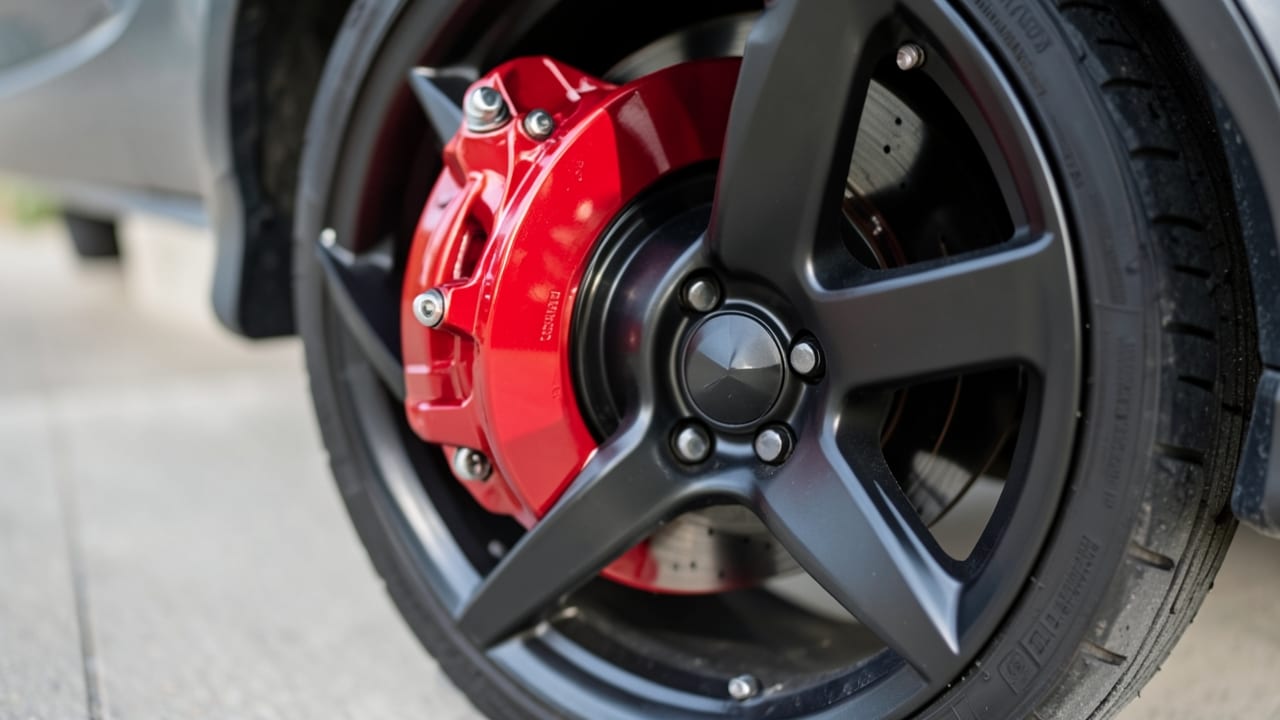
Wheel & Brake Caliper Ceramic Coating in Honolulu, HI
Dedicated ceramic coating for wheels and brake calipers in Honolulu, HI — stops brake dust and corrosive grime from bonding to the finish.
Learn More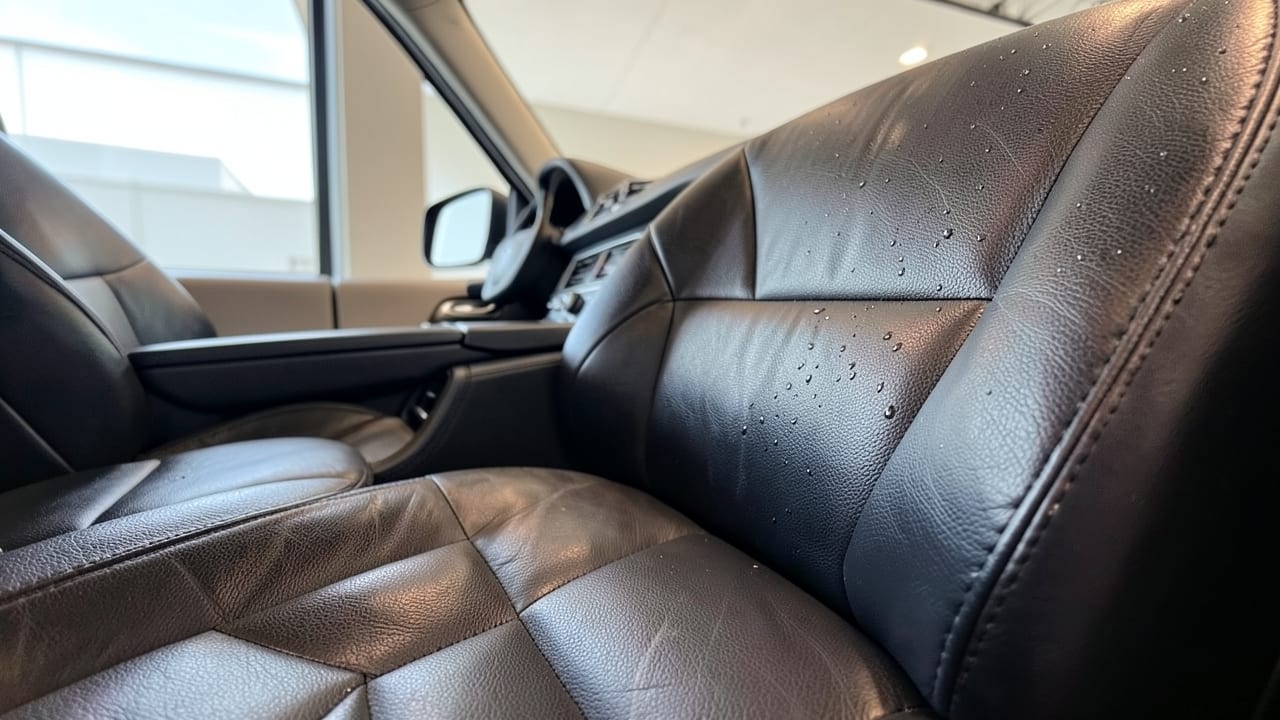
Interior Ceramic Protection in Honolulu, HI
Interior fabric, leather, and trim ceramic protection in Honolulu, HI — guards against spills, UV fading, and daily wear.
Learn MoreCommon Questions About Ceramic Coating in Honolulu
Everything you need to know about ceramic coating services in Honolulu
How much does Paint Protection Film (PPF) Installation typically cost in Honolulu, HI?
Does intense UV and dust in Honolulu, HI change coating maintenance?
What does proper paint prep before a ceramic coating actually involve?
How should a coated vehicle be washed after the coating is applied?
Will a ceramic coating stop rock chips or scratches?
What's the actual difference between wax, paint sealant, and ceramic coating?
Need Ceramic Coating in Honolulu?
Get a written quote from our Honolulu crew.
⏰ We answer your call • Serving all of Honolulu and surrounding areas