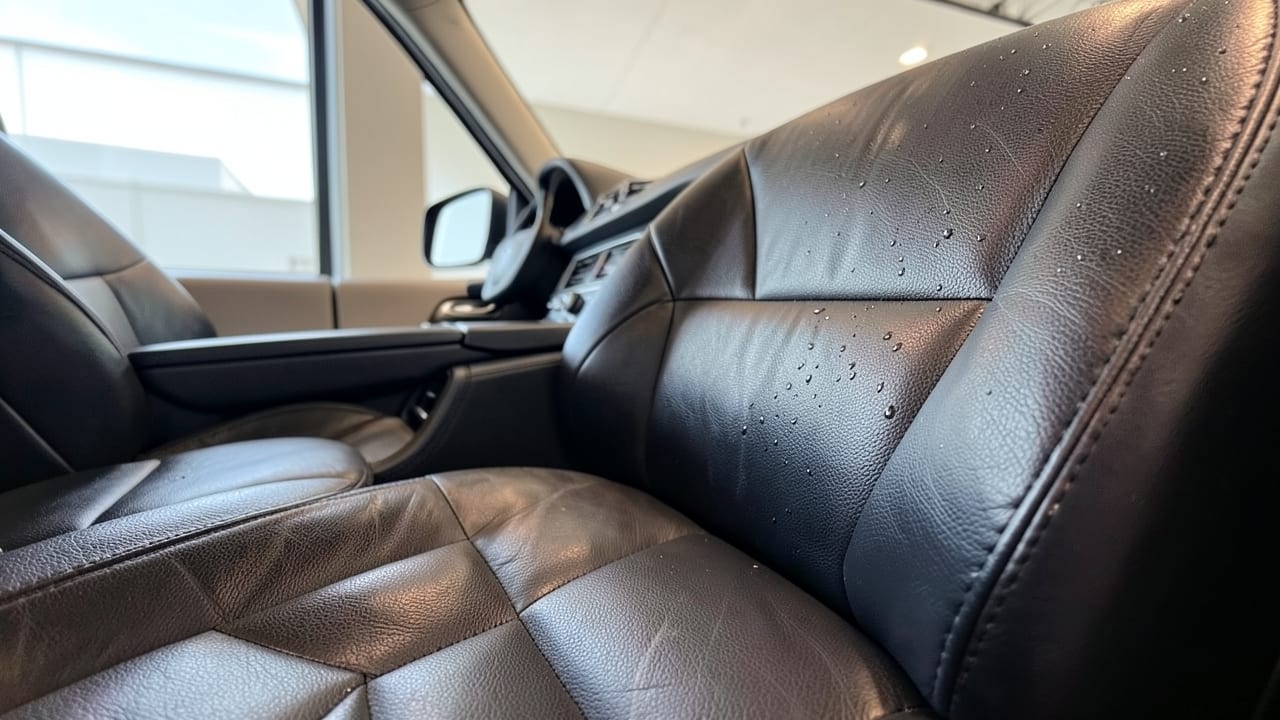
Interior Ceramic Protection
Interior fabric, leather, and trim ceramic protection in Honolulu, HI — guards against spills, UV fading, and daily wear.
In Honolulu, HI, our Interior Ceramic Protection service shields your vehicle’s high-touch surfaces from UV fading, spills, body oils, and daily wear. Unlike exterior coatings, we focus on fabrics, leather, vinyl, plastics, and touchscreens to keep your interior looking newer, longer.
Why Honolulu Vehicles Need Interior Ceramic Protection
Honolulu’s intense sun, humidity, and frequent beach trips accelerate interior wear. UV rays fade dashboards and seats, while salt, sand, and body oils degrade fabrics and leather over time. Our ceramic coatings create an invisible barrier that repels liquids, resists dyes, and slows the aging process.
We also handle Undercoating Rustproofing and Convertible Top Protection for Honolulu vehicles.
Fabric and carpet treatments cause spills to bead up, giving you time to wipe them away before stains set. Leather and vinyl coatings prevent cracking, dye transfer, and the dulling effect of constant contact with skin oils. Hard plastics and trim stay fingerprint-resistant and vibrant, avoiding the chalky, faded look common in sun-exposed interiors.
Signs Your Interior Needs Protection
- Fabric seats or carpets absorb spills instead of beading them up
- Leather or vinyl shows cracks, fading, or dye transfer from clothing
- Dashboard or trim appears dull, chalky, or faded from UV exposure
- Touchscreens or hard plastics are hard to clean due to fingerprints and grime
- Interior surfaces feel rough or sticky from accumulated oils and residue
What to Expect: Process and Results
Every service starts with a deep clean to remove dirt, oils, and odors, ensuring the ceramic coating bonds properly. We use vacuuming, steam, or hot-water extraction for fabrics, and dedicated leather cleaners for premium surfaces. Once prepped, we apply material-specific coatings to fabrics, leather, vinyl, and plastics.
After curing, your interior resists stains, repels liquids, and stays cleaner for longer. Coffee, water, and most food spills bead on fabric, while leather and vinyl wipe clean with minimal effort. Hard plastics and touchscreens stay fingerprint-resistant and maintain a factory-fresh appearance. While wear is inevitable, the process slows it significantly.
| Material | Treatment | Benefit |
|---|---|---|
| Fabric & Carpet | Hydrophobic coating | Liquids bead up for easy cleanup |
| Leather & Vinyl | Specialized ceramic coating | Prevents cracking, fading, and dye transfer |
| Hard Plastics & Trim | UV-resistant coating | Resists fingerprints and fading |
| Touchscreens | Anti-smudge coating | Reduces fingerprints and glare |
How Interior Ceramic Protection Works
Our multi-step process ensures a clean, protected finish that lasts.
- 1Deep Cleaning
We vacuum, steam, or use hot-water extraction on fabrics, and apply dedicated leather cleaners to remove dirt, oils, and odors. This step ensures the coating bonds to a clean surface, not trapped grime.
- 2Surface-Specific Prep
Each material (fabric, leather, vinyl, plastic) is prepped with the appropriate cleaner or degreaser to remove any remaining residue. This maximizes adhesion and longevity of the coating.
- 3Coating Application
We apply hydrophobic treatments to fabrics and carpets, and specialized ceramic coatings to leather, vinyl, and hard plastics. Each formula is tailored to its surface for optimal protection.
- 4Curing
The coatings are left to cure, forming a durable, invisible barrier. Once set, your interior resists stains, UV damage, and daily wear far better than untreated surfaces.
Frequently Asked Questions
How long does Interior Ceramic Protection last in Honolulu’s climate?
With proper care, the coatings typically last 1–3 years, depending on the material and exposure to sun, salt, and humidity. Fabric treatments may need reapplication sooner in high-use vehicles.
Will the coating make my leather or fabric feel stiff or artificial?
No. The ceramic coating is invisible and doesn’t alter the texture of your surfaces. Leather remains supple, and fabrics stay soft—just more resistant to stains and wear.
Can you apply Interior Ceramic Protection to an already stained or damaged interior?
We always start with a deep clean, but severe stains or damage may not be fully removable. The coating will prevent future issues but won’t restore heavily worn or discolored surfaces.
How much does Interior Ceramic Protection cost in Honolulu?
Pricing varies based on your vehicle’s interior size and material mix (e.g., leather vs. cloth). Call for a quote tailored to your specific needs.
See Makakilo, HI for more, or browse every option available in Honolulu on a single page for our complete lineup.
Ready to get started?
Talk to a local ceramic coating pro in Honolulu — get a written quote.
Other Ceramic Coating Services in Honolulu
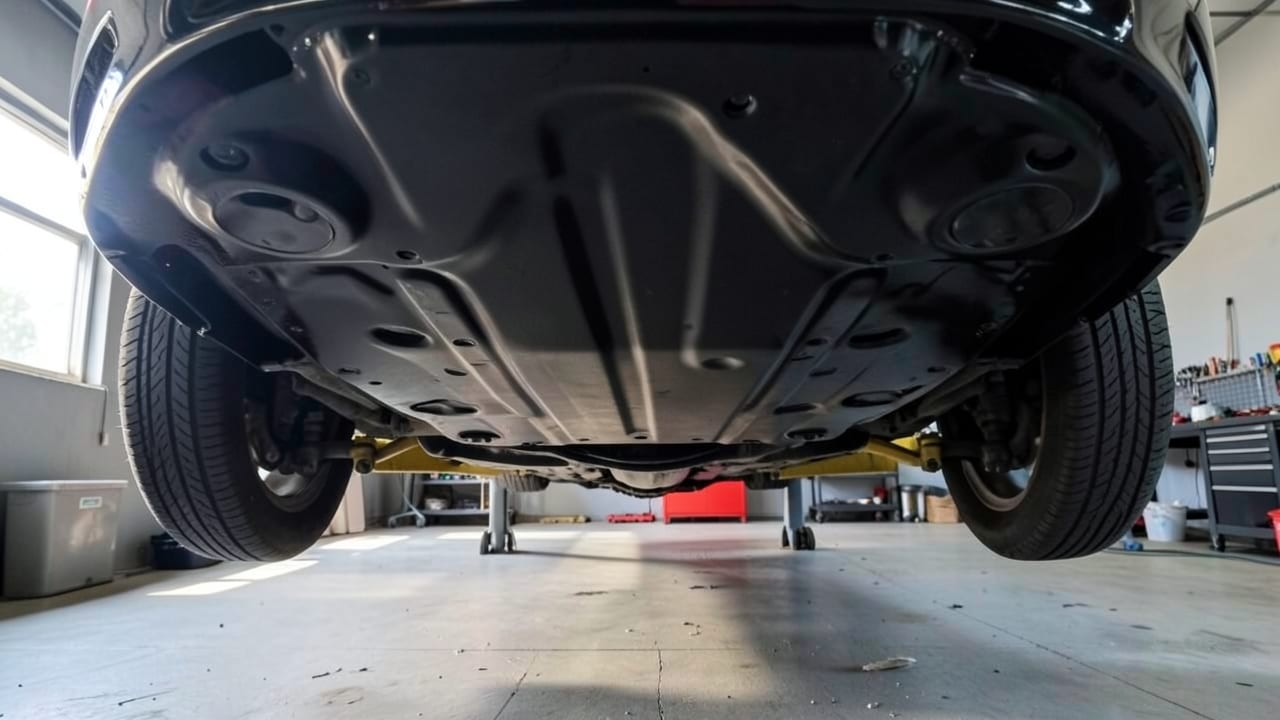
Undercoating Rustproofing in Honolulu, HI
Ceramic undercoating applied to vehicle chassis to prevent rust and corrosion.
Learn More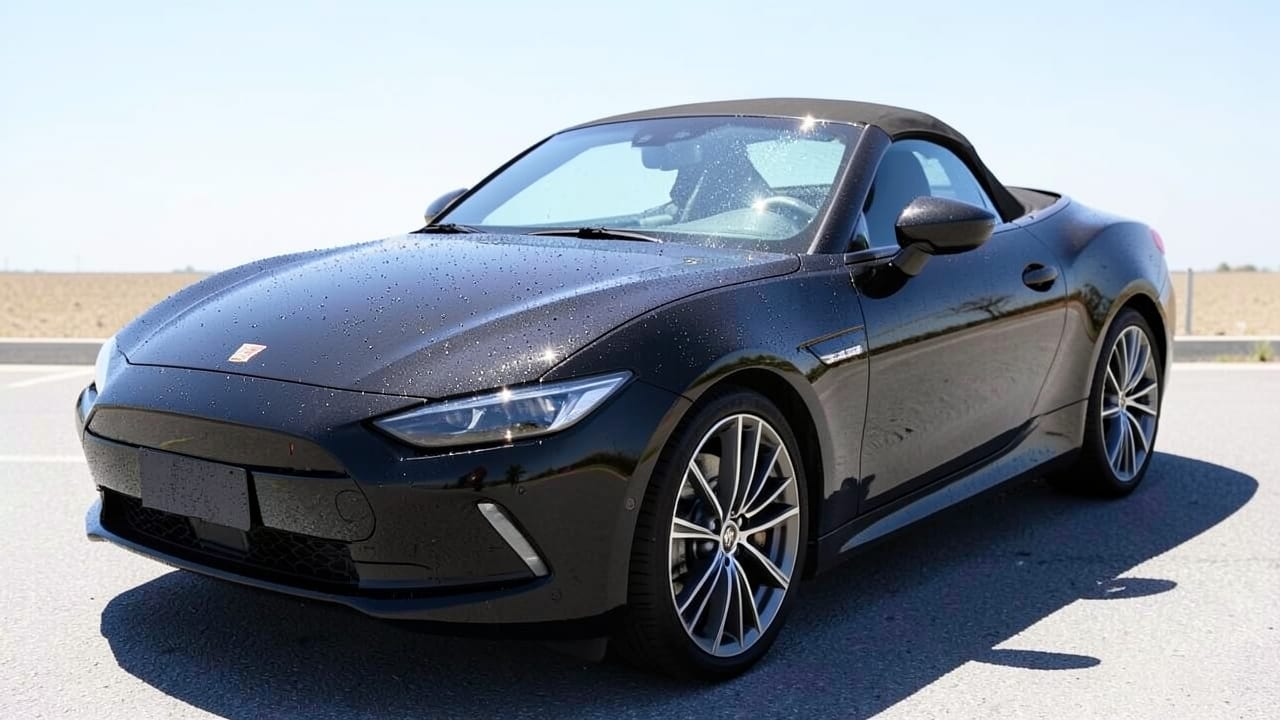
Convertible Top Protection in Honolulu, HI
Ceramic coating and protective treatments applied to convertible tops for durability and UV resistance.
Learn More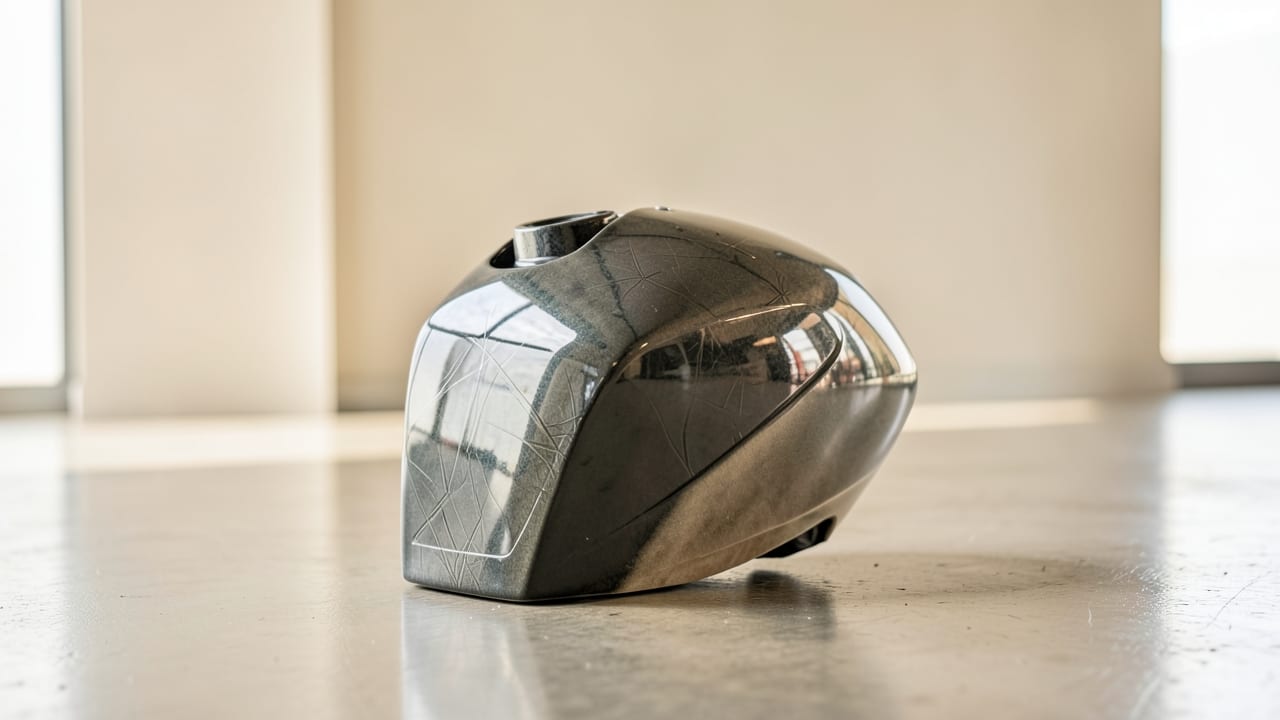
Motorcycle Ceramic Coating in Honolulu, HI
Professional application of ceramic coating to protect motorcycle paint and surfaces from damage.
Learn More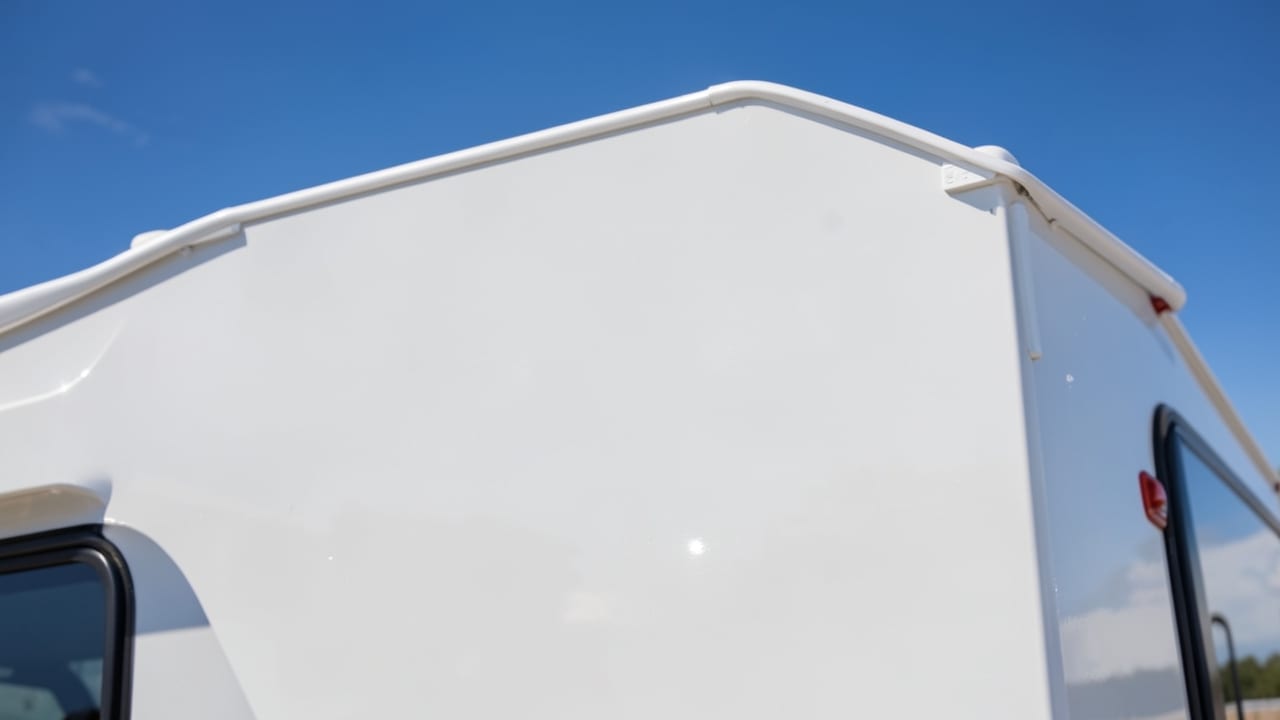
RV Paint Protection in Honolulu, HI
Ceramic coatings and protective sealants applied to RV exteriors to shield paint from UV, dirt, and scratches.
Learn More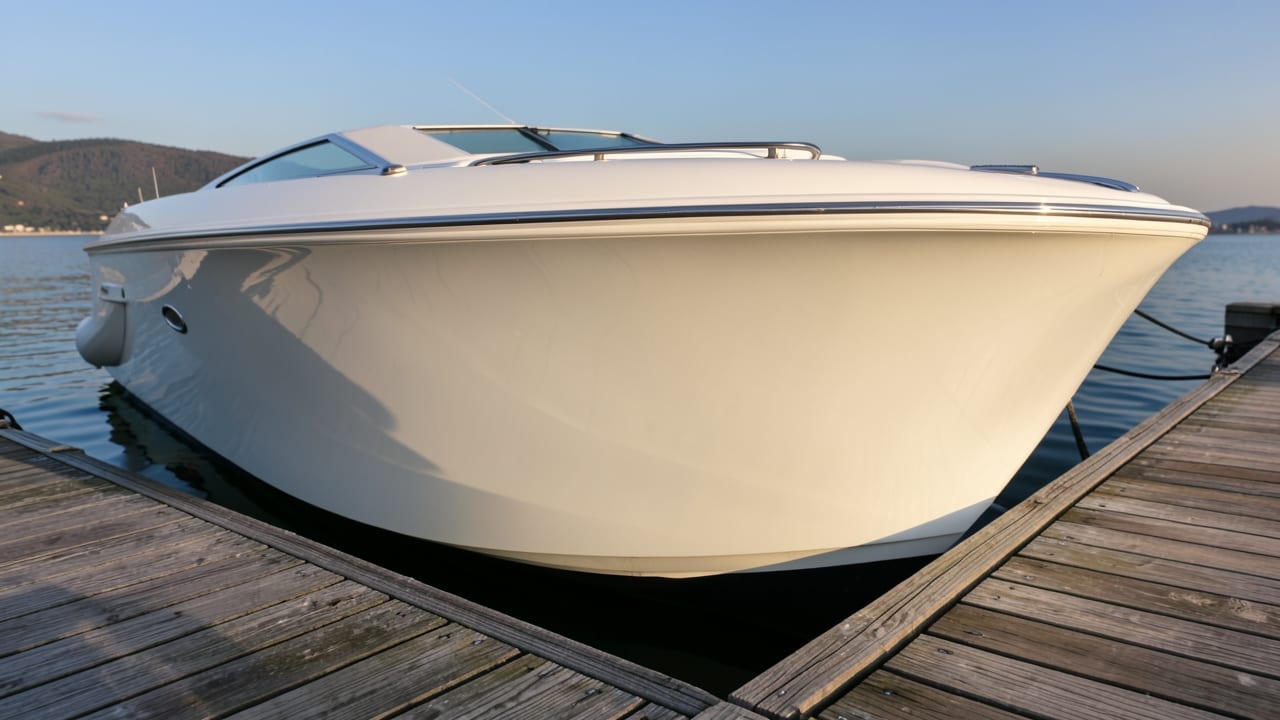
Boat Gelcoat Restoration in Honolulu, HI
Restoring and protecting boat gelcoat with ceramic coatings to renew shine and durability.
Learn More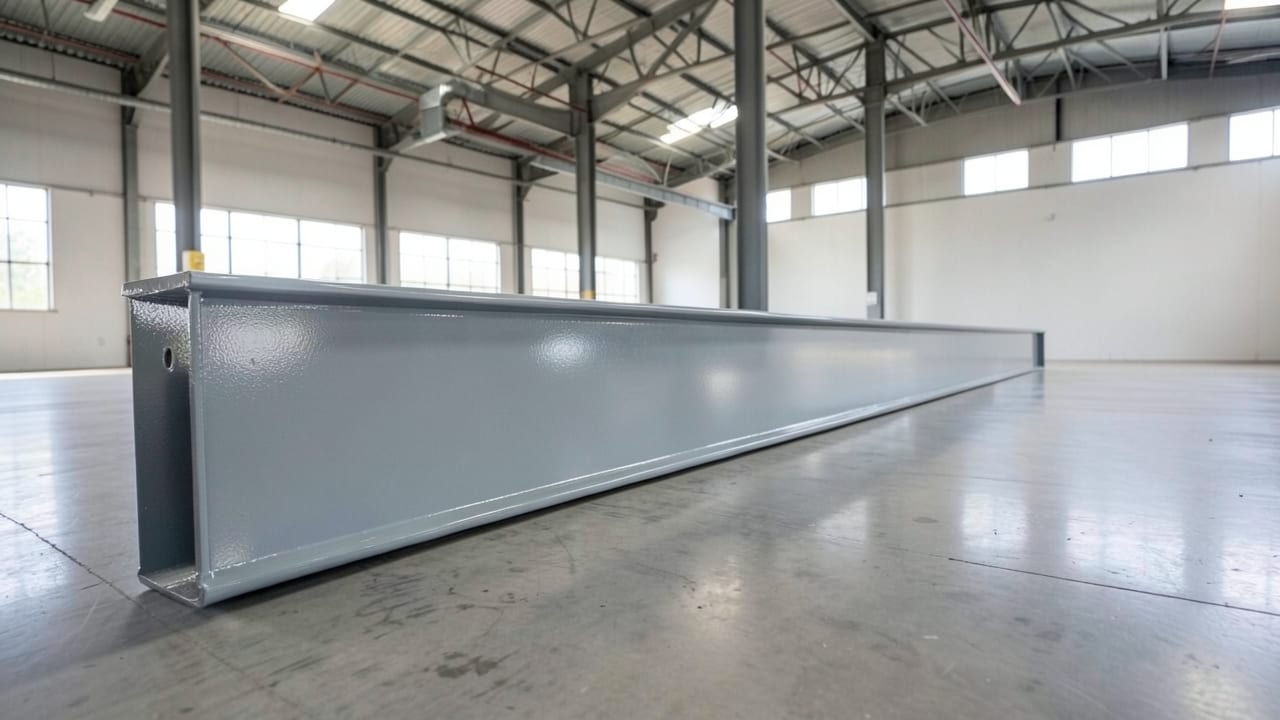
Metal Surface Anti-Corrosion in Honolulu, HI
Ceramic coatings and specialized paints applied to metal surfaces to prevent rust and corrosion.
Learn MoreCommon Questions About Ceramic Coating in Honolulu
Everything you need to know about ceramic coating services in Honolulu
How much does Interior Ceramic Protection typically cost in Honolulu, HI?
Does intense UV and dust in Honolulu, HI change coating maintenance?
Can ceramic coating be applied over a vinyl wrap or matte paint?
What does proper paint prep before a ceramic coating actually involve?
How should a coated vehicle be washed after the coating is applied?
Will a ceramic coating stop rock chips or scratches?
Need Ceramic Coating in Honolulu?
Get a written quote from our Honolulu crew.
⏰ We answer your call • Serving all of Honolulu and surrounding areas