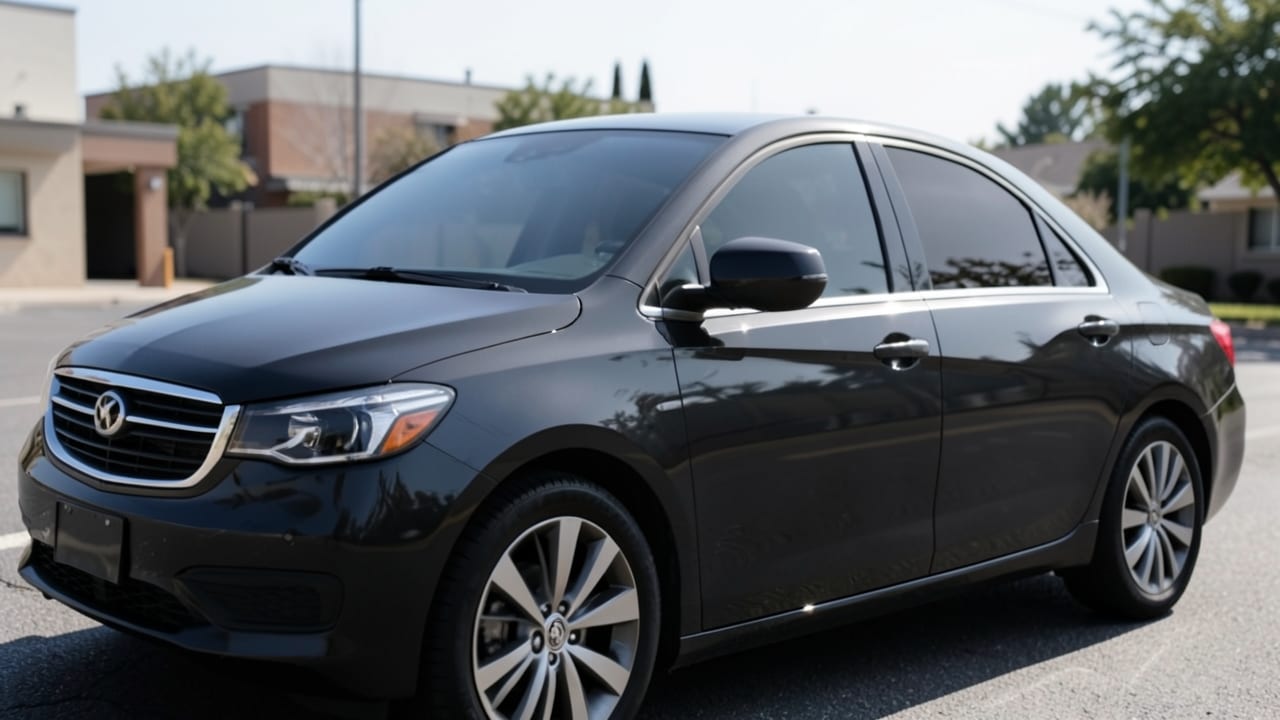
Ceramic Window Tint
Nano-ceramic window tint in Honolulu, HI — rejects heat and blocks 99% of UV without the signal interference or fading of cheaper films.
In Honolulu, HI, our nano-ceramic window tint rejects infrared heat and blocks 99% of UV rays without signal interference or fading. It keeps your cabin cooler, protects interiors, and safeguards skin—all typically backed by a top-tier, multi-year protection plan against peeling, bubbling, or discoloration.
Why Choose Ceramic Window Tint in Honolulu
Honolulu’s intense sun and heat demand a window tint that performs long-term. Our nano-ceramic film rejects infrared heat and UV rays without the downsides of cheaper films. Unlike dyed or metalized options, it won’t fade purple or interfere with GPS, radio, or cell signals.
We also handle Full-Vehicle Ceramic Coating and Paint Correction & Polishing for Honolulu vehicles.
The ceramic particles in the film provide superior heat rejection and UV protection, which reduces cabin temperatures, minimizes glare, and prevents interior fading. It’s an investment in comfort, safety, and your vehicle’s longevity.
Custom Fit for Your Vehicle
Every vehicle is unique, so we measure and hand-cut each window to match your car’s exact glass pattern. This ensures a precise fit with no gaps or overlaps, even on curved glass.
Our Precision Installation Process
- Measure and hand-cut each window to exact dimensions
- Remove door panels for clean, wrapped edges under the felt
- Heat-shrink film to match the glass curve for a bubble-free finish
Legal and Aesthetic Flexibility
We offer a range of tint shades to match your preference while staying within Hawaii’s legal limits for visible light transmission. After installation, the film requires a curing period of several days to a couple of weeks to fully bond to the glass.
How Ceramic Window Tint Installation Works
Our process ensures a flawless, long-lasting finish.
- 1Precision Measuring
We measure each window to your vehicle’s exact glass pattern, ensuring a perfect fit.
- 2Hand-Cutting
The film is hand-cut on a plotter or by hand to match the measurements.
- 3Door Panel Removal
Door panels are removed where needed to allow for clean, wrapped edges under the felt.
- 4Heat-Shrinking
The film is heat-shrunk to conform to the glass’s curve, ensuring a bubble-free, factory-tight finish.
- 5Final Installation
The film is applied to the glass, and excess material is trimmed away for a seamless look.
Frequently Asked Questions
Will ceramic window tint interfere with my car’s electronics?
No. Unlike metalized films, our nano-ceramic tint uses ceramic particles to reject heat, so it won’t interfere with GPS, radio, or cell signals.
How long does the tint take to cure?
The film typically takes several days to a couple of weeks to fully bond. We’ll provide exact aftercare instructions, including how long to keep windows up.
What’s the warranty on the tint?
Our tint is backed against peeling, bubbling, cracking, and discoloration for the life of the film—documented, not just a verbal promise.
Does the tint come in different shades?
Yes, we offer a range of shades to match your preference while staying within Hawaii’s legal limits for visible light transmission.
See Halawa, HI for more, or discover the rest of our Honolulu lineup by service type for our complete lineup.
Ready to get started?
Talk to a local ceramic coating pro in Honolulu — get a written quote.
Other Ceramic Coating Services in Honolulu
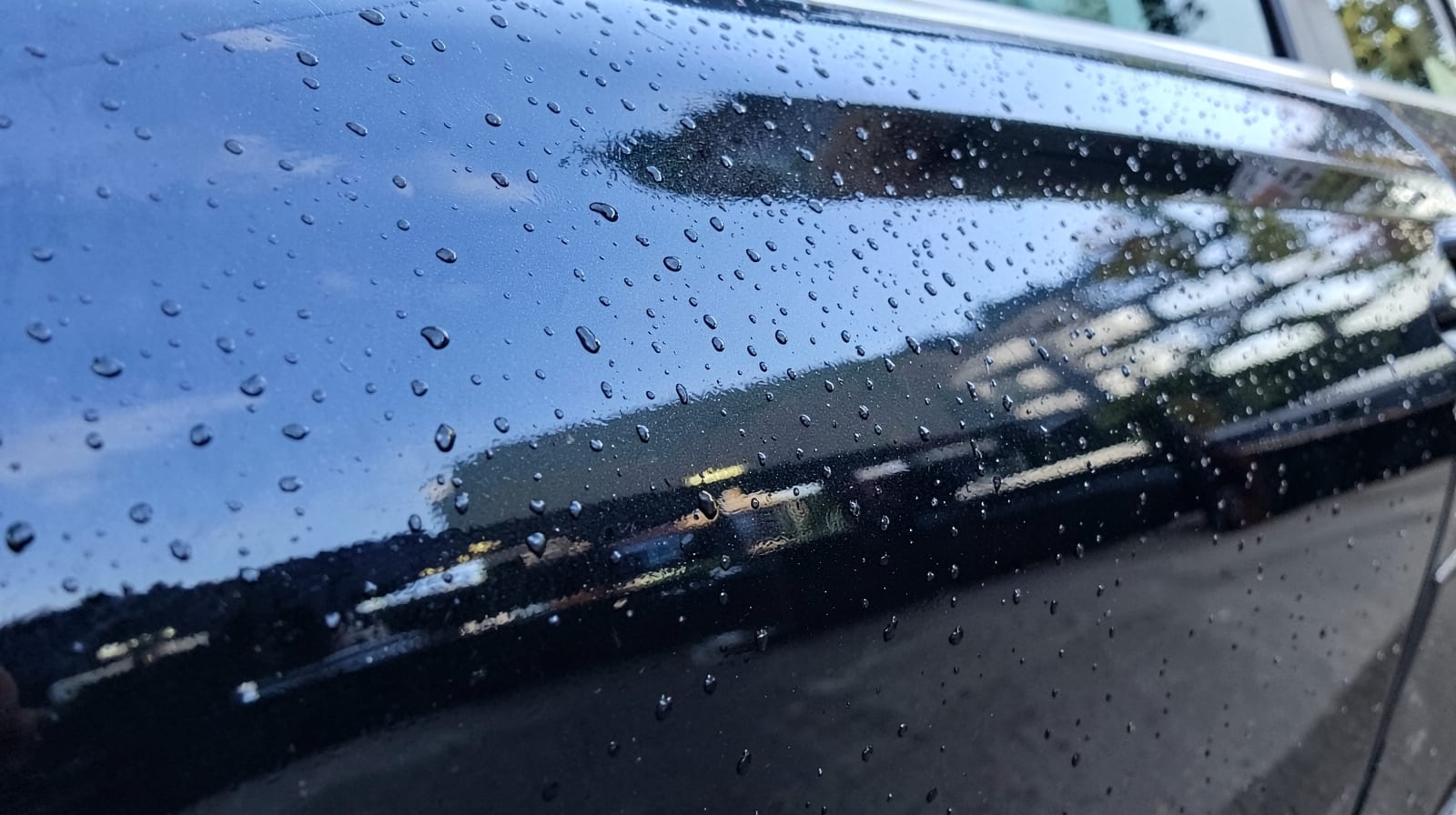
Full-Vehicle Ceramic Coating in Honolulu, HI
Professional nano-ceramic coating for vehicles in Honolulu, HI — a hard, semi-permanent SiO2 layer for deep gloss, strong hydrophobic protection, and easier washing.
Learn More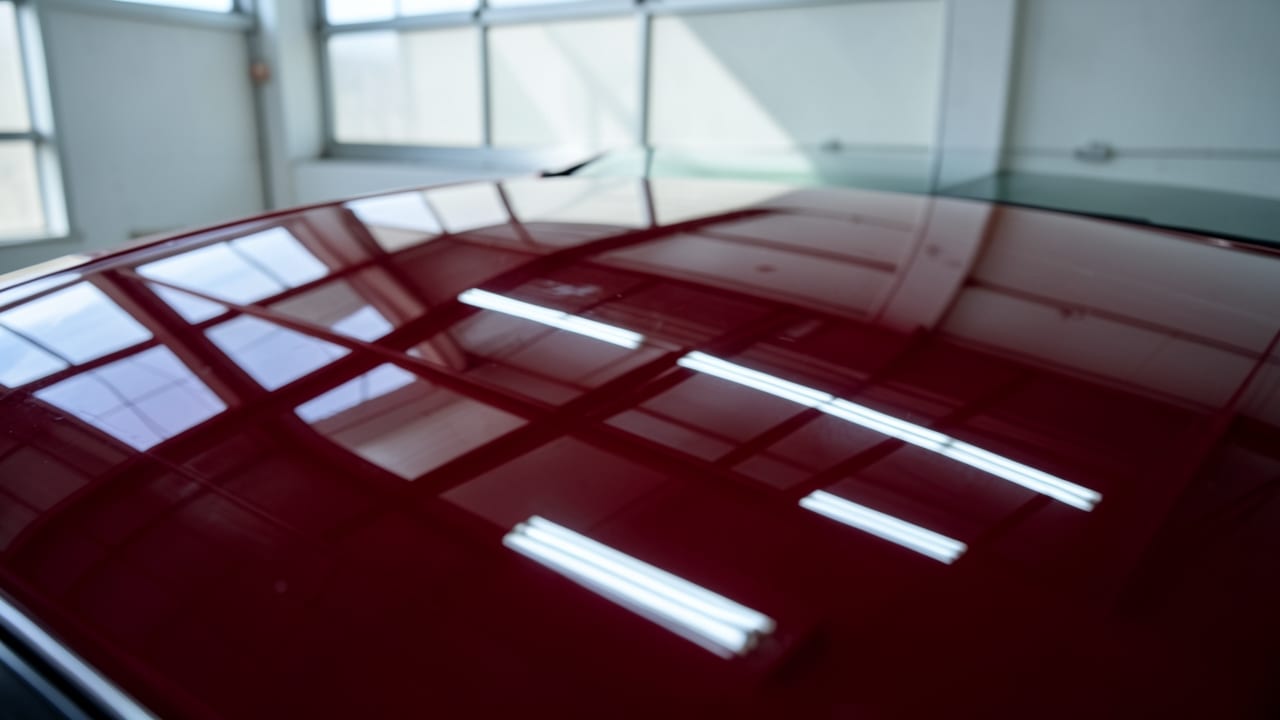
Paint Correction & Polishing in Honolulu, HI
Machine paint correction and polishing in Honolulu, HI — removes swirl marks, oxidation, and water spots, and is the mandatory first step before any ceramic coating.
Learn More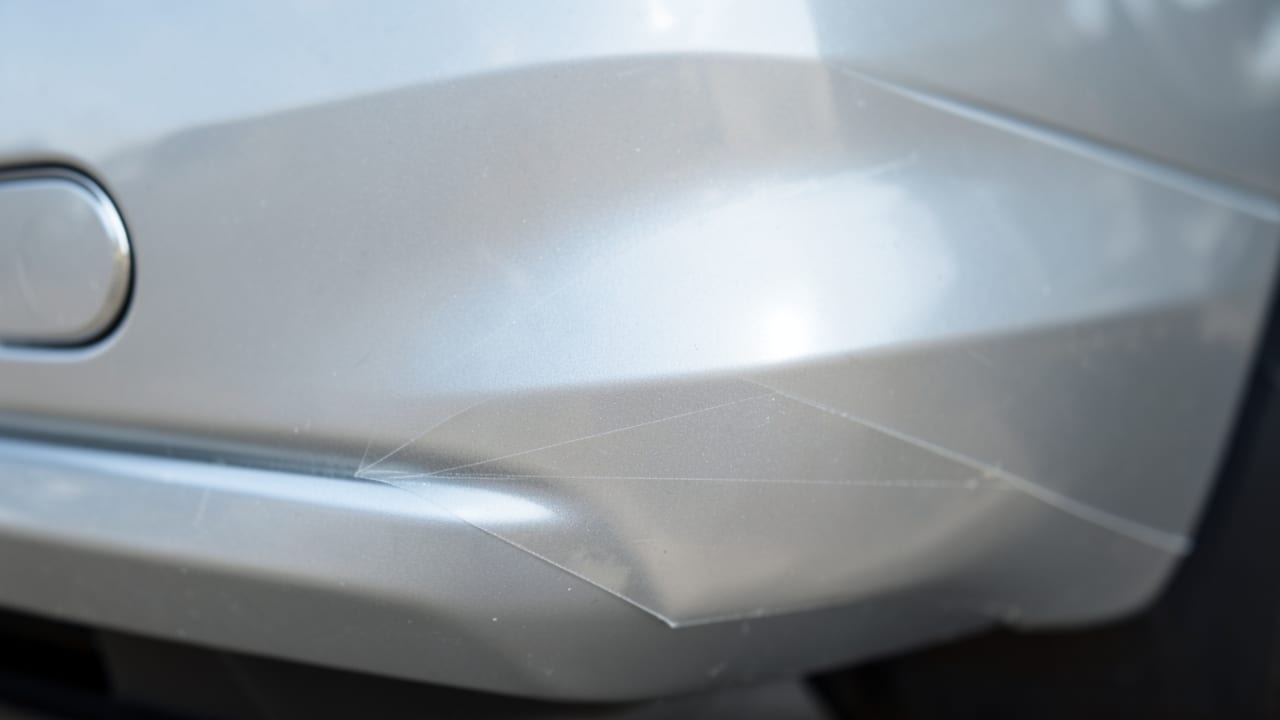
Paint Protection Film (PPF) Installation in Honolulu, HI
Self-healing clear PPF installation in Honolulu, HI for high-impact panels or a full-body wrap — real physical protection against rock chips and road debris.
Learn More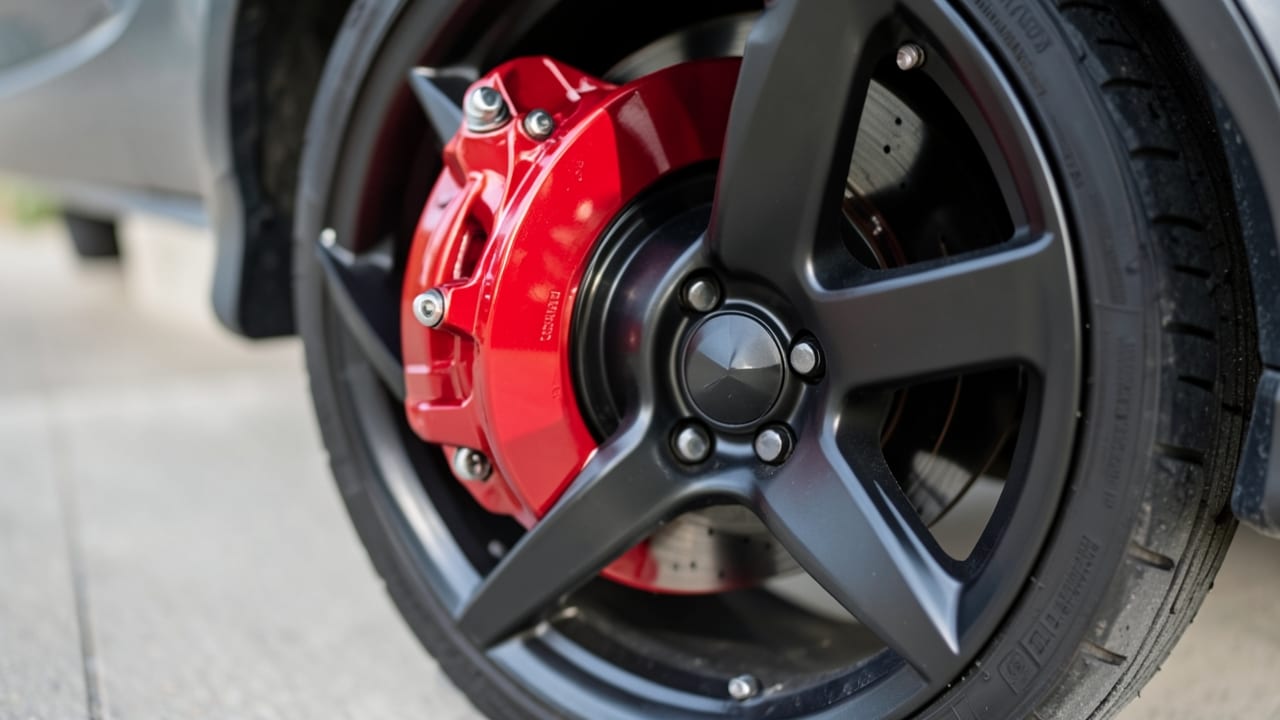
Wheel & Brake Caliper Ceramic Coating in Honolulu, HI
Dedicated ceramic coating for wheels and brake calipers in Honolulu, HI — stops brake dust and corrosive grime from bonding to the finish.
Learn More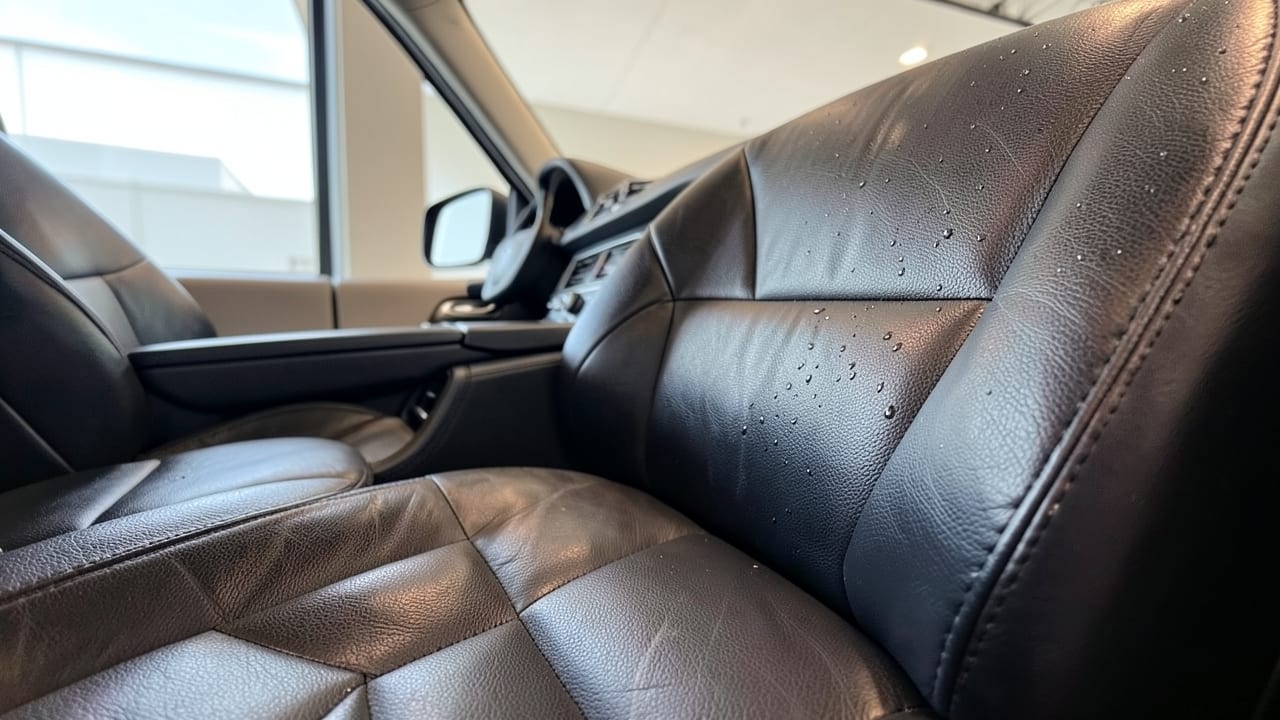
Interior Ceramic Protection in Honolulu, HI
Interior fabric, leather, and trim ceramic protection in Honolulu, HI — guards against spills, UV fading, and daily wear.
Learn More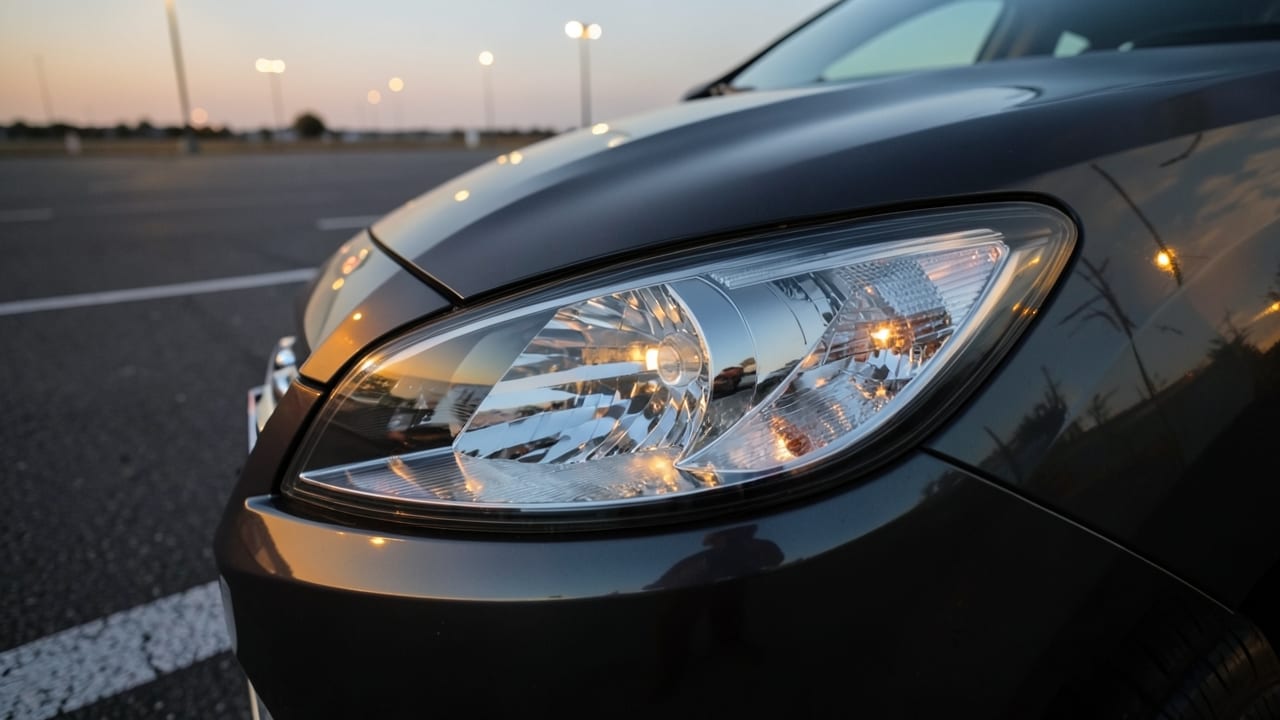
Headlight Restoration & Coating in Honolulu, HI
Headlight restoration and UV-protective coating in Honolulu, HI — restores clarity and nighttime visibility without replacing the assembly.
Learn MoreCommon Questions About Ceramic Coating in Honolulu
Everything you need to know about ceramic coating services in Honolulu
How much does Ceramic Window Tint typically cost in Honolulu, HI?
Does intense UV and dust in Honolulu, HI change coating maintenance?
What is the difference between graphene and SiO2 ceramic coatings?
Does a ceramic coating need to be topped up over time?
Can a ceramic coating be applied over existing swirl marks or light scratches?
Is ceramic coating ever covered by comprehensive auto insurance?
Need Ceramic Coating in Honolulu?
Get a written quote from our Honolulu crew.
⏰ We answer your call • Serving all of Honolulu and surrounding areas