Why Your Ceramic Coating in Honolulu Might Only Last 2 Years in Ceramic Coating Honolulu, HI
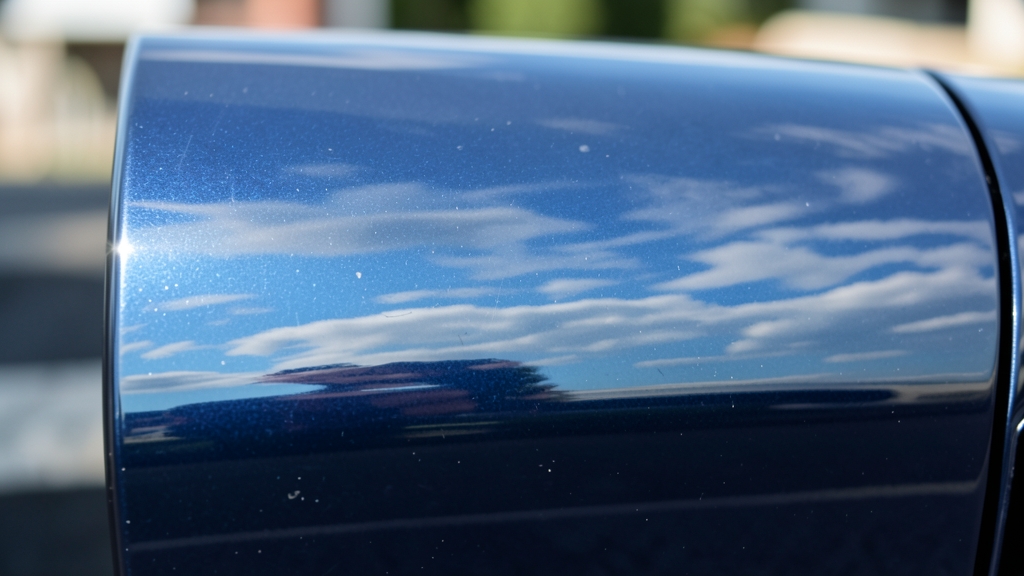
Honolulu’s tropical climate is tough on any finish. Even a premium ceramic coating can degrade in as little as two years if UV exposure, salt air, and improper prep aren’t addressed. We’ll break down the real reasons and how to maximize durability.
Honolulu’s Climate Is the Silent Killer of Ceramic Coatings
Intense UV rays break down the SiO2 matrix faster than in mainland climates. The sun’s angle here accelerates oxidation, weakening the coating’s hydrophobic layer.
Salt air from the Pacific settles on surfaces, creating micro-abrasions that erode the coating over time. Even a light mist carries corrosive particles.
High humidity slows curing and can trap contaminants under the coating, leading to premature failure. Proper decontamination before application is non-negotiable.
Skipping iron-removal decontamination before coating? Salt and brake dust embedded in paint will continue eating through the coating from underneath.
A coating is only as strong as the surface it bonds to. Paint correction and polishing remove swirls, oxidation, and defects that prevent proper adhesion.
Many DIYers apply coatings over old wax or sealants. These residues create a barrier, causing the ceramic to peel or flake within months.
Professional-grade prep includes clay bar treatment, iron remover, and sometimes a light compound polish. Cutting corners here often leads to a shorter lifespan.
Ceramic Coating Types: Not All Are Built for Hawaii’s Conditions
Consumer-grade coatings (1-2 years) often lack the UV inhibitors and salt-resistant additives needed for coastal climates. They’re fine for mild areas, not Honolulu.
Pro-grade coatings (3-5+ years) use denser SiO2 or TiO2 formulations with stronger cross-linking. These hold up better but require expert application.
Some hybrid coatings blend ceramic with graphene or fluorocarbon. These offer superior hydrophobic properties and chemical resistance, ideal for marine environments.
| Coating Type | Expected Lifespan (Mainland) | Expected Lifespan (Honolulu) | Best For |
|---|---|---|---|
| Consumer-Grade (Spray-On) | 6-12 months | 6-12 months | Quick shine, low durability |
| Entry-Level (DIY Kit) | 1-2 years | 1-1.5 years | Budget-conscious owners |
| Pro-Grade (SiO2-Based) | 3-5 years | 2-3 years | Daily drivers in harsh climates |
| Graphene-Infused | 5-7 years | 3-5 years | Luxury or high-exposure vehicles |
| Hybrid (Ceramic + PPF) | 7-10 years | 5-7 years | Maximum protection for fleet or high-value vehicles |
Maintenance Matters: How Washing Wrong Ruins Your Coating
Automatic car washes with harsh brushes or high-pH soaps strip ceramic coatings faster. Stick to touchless or hand washes with pH-neutral shampoo.
Drying with a dirty towel introduces micro-scratches. Use a high-quality microfiber cloth and blot—don’t drag—to preserve the hydrophobic layer.
Bird droppings, tree sap, and bug splatter are acidic. Remove them within 24-48 hours to prevent etching through the coating.
Honolulu Ceramic Coating Maintenance Essentials
- Wash every 2 weeks with pH-neutral soap
- Use the two-bucket method to avoid swirls
- Apply a ceramic-boosting spray every 3-6 months
- Park in a garage or under cover to limit UV/salt exposure
- Avoid wax or sealants—they can interfere with the coating’s properties
Real-World Factors That Shorten Coating Life in Oahu
Frequent highway driving kicks up road grit, which acts like sandpaper on the coating. A layer of PPF on high-impact areas (hood, bumper) adds critical protection.
Parking near the ocean? Salt spray accelerates corrosion. Rinse your vehicle with fresh water weekly to mitigate damage, especially in areas like Kailua or Kaneohe.
Extreme temperature swings (hot days, cool nights) cause expansion and contraction, stressing the coating’s bond. This is less of an issue in Waipahu but still a factor.
If you live in Pearl City or Aiea and park outside, consider a ceramic window tint alongside your coating. It reduces interior UV damage and complements the exterior protection.
When to Expect Shorter Lifespans (And What to Do About It)
Dark-colored vehicles absorb more UV, heating the paint and breaking down the coating faster. Silver or white cars fare better in Honolulu’s sun.
Fleet vehicles or daily drivers rack up mileage and exposure. For these, a sacrificial PPF layer on high-wear areas extends the coating’s effective life.
Improper curing is a common issue. Coatings need 24-48 hours to fully bond—driving in rain or salt air too soon can compromise durability.
Signs Your Ceramic Coating Is Failing (And How to Fix It)
Water no longer beads or sheets off? The hydrophobic layer is degrading. A maintenance spray can temporarily restore it, but a full reapplication may be needed.
Visible swirls or haze mean the coating has worn thin. At this point, paint correction is required before reapplying to avoid locking in defects.
Rust spots or oxidation peeking through? The coating has failed entirely in those areas. Address the corrosion first, then consider a fresh coat or PPF.
How to Extend Your Ceramic Coating’s Life in Honolulu
A few consistent habits can add years to your coating’s performance.
- 1Decontaminate Regularly
Use an iron remover spray monthly to dissolve embedded brake dust and salt. Follow with a clay bar treatment every 6 months.
- 2Wash Like a Pro
Use the two-bucket method with grit guards and a pH-neutral shampoo. Dry with a clean microfiber towel to prevent marring.
- 3Reapply Boost Sprays
Every 3-6 months, apply a ceramic-boosting spray to refresh the hydrophobic layer. This fills in minor gaps in the coating.
- 4Park Smart
Minimize UV and salt exposure by parking in a garage or under a cover. If outdoors, use a car cover for extended periods of non-use.
- 5Address Damage Immediately
Remove bird droppings, sap, or bug splatter within 24 hours. For scratches or chips, touch up with a ceramic pen or schedule a correction.
Frequently Asked Questions
Can I apply a ceramic coating myself in Honolulu, or should I hire a pro?
DIY kits work for short-term protection, but Hawaii’s climate demands professional prep and application. Improper bonding or curing will cut the lifespan dramatically. For long-term results, trust a local expert.
How often should I reapply ceramic coating in Ceramic Coating Honolulu?
Pro-grade coatings typically last 2-3 years here, while consumer-grade may fade in 1-1.5 years. Schedule a maintenance check at the 2-year mark to assess bead behavior and gloss retention.
Does ceramic coating prevent rust in Honolulu’s salty air?
It significantly slows corrosion but isn’t foolproof. For maximum rust protection, pair the coating with PPF on vulnerable areas and rinse salt off weekly.
What’s the difference between ceramic coating and Paint Protection Film (PPF)?
Ceramic coating adds a hard, hydrophobic layer that enhances shine and repels contaminants. PPF is a physical urethane film that absorbs impacts and self-heals. Many Honolulu drivers use both: PPF for high-impact zones and coating for the rest.
Will ceramic coating make my car easier to clean in Honolulu?
Absolutely. The hydrophobic layer causes water and dirt to slide off, reducing the need for harsh chemicals. Just be sure to use pH-neutral soaps to maintain the coating’s integrity.
Is ceramic coating worth it for older cars in Honolulu?
If the paint is in good condition after correction, yes. But if the clear coat is heavily oxidized or peeling, the coating won’t adhere properly. In that case, a full paint restoration may be needed first.