The Ultimate Checklist for Vetting Ceramic Coating Installers in Ceramic Coating Honolulu
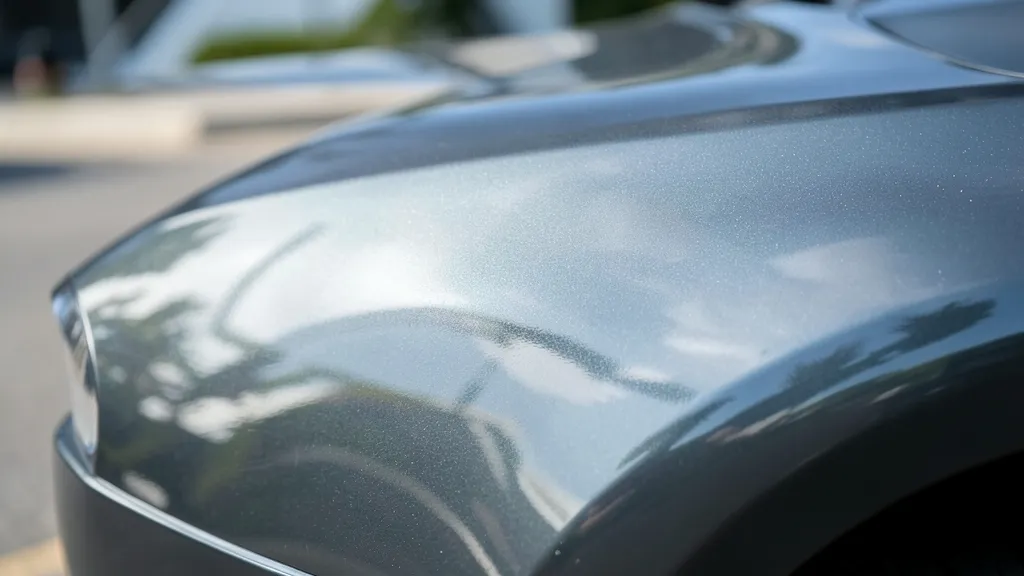
Choosing the right installer for your ceramic coating can mean the difference between years of glossy protection and a botched job that wastes time and money. Our team has seen it all—from DIY disasters to so-called ‘professionals’ cutting corners. Here’s how to separate the experts from the pretenders.
Why Honolulu’s Climate Demands a Pro, Not a Hobbyist
Hawaii’s intense UV, salt air, and volcanic ash accelerate paint damage. A poorly applied coating won’t last, and neither will your finish.
Amateur installers often skip critical prep like paint correction, leaving contaminants trapped under the coating. That’s a one-way ticket to peeling and failure.
Coastal areas like Waipahu and Pearl City need extra attention. Salt deposits etch paint if not removed before coating.
Certifications and Training: Non-Negotiable Credentials
Legit installers hold certifications from brands like Ceramic Pro, Gtechniq, or CarPro. These aren’t just plaques—they prove hands-on training with the exact products they’ll use on your car.
Ask for proof. If they hesitate, walk away. Real pros are proud of their credentials and the rigorous testing behind them.
The Prep Work: Where Most Installers Cut Corners
90% of a coating’s longevity depends on prep. Paint correction isn’t optional—it removes swirls, oxidation, and scratches so the coating bonds properly.
A proper detailer uses a paint thickness gauge to avoid over-polishing. Thin paint? They’ll refuse the job. That’s integrity.
Essential Prep Steps
- Full decontamination (clay bar, iron remover)
- Paint correction (compound and polish)
- Paint thickness measurement
- Final wipe-down with IPA or panel prep
Product Quality: Not All Ceramic Coatings Are Created Equal
Consumer-grade coatings from big-box stores last 6–12 months. Professional-grade nano-ceramic polymers (like those we use) last 2–5 years or more with proper care.
Beware of installers pushing ‘lifetime’ coatings. No coating lasts forever—especially in Honolulu’s harsh conditions.
| Type | Durability | Hydrophobicity | UV Resistance | Cost Factors |
|---|---|---|---|---|
| Consumer-Grade | 6–12 months | Moderate | Basic | Low (DIY kits) |
| Prosumer | 1–2 years | High | Good | Mid (semi-pro install) |
| Professional-Grade | 2–5+ years | Extreme | Excellent | Higher (expert install, multi-layer) |
| ‘Lifetime’ Claims | Varies (often misleading) | Varies | Varies | Avoid—no true lifetime coating exists |
Facility and Equipment: The Signs of a True Pro Shop
A dedicated, climate-controlled bay is a must. Dust, wind, or humidity mid-application ruins the finish. Open-air garages? No thanks.
Look for infrared curing lamps, HEPA-filtered spray booths, and high-end lighting for inspection. These tools aren’t cheap—but neither is redoing a bad job.
Portfolio and References: See Their Work in the Wild
Demand before-and-after photos of real local jobs—especially on cars similar to yours. Pay attention to gloss, clarity, and water behavior.
Ask for references from clients in Kailua or Kaneohe. Salt air tests a coating’s mettle faster than anywhere. If their work holds up there, it’ll hold up anywhere.
If their portfolio is all brand-new cars, ask for older examples. A coating’s true test is how it ages.
Warranty and Aftercare: The Fine Print Matters
A warranty is only as good as the installer behind it. Some shops offer ‘lifetime’ warranties—but if they go out of business, so does your coverage.
Legit warranties cover defects in workmanship, not damage from neglect. They’ll also provide aftercare guidelines: washing techniques, products to avoid, and recommended maintenance coatings.
The Questions You Must Ask Before Committing
Do they perform paint correction in-house, or outsource it? Outsourcing is a red flag—prep and coating must be seamless.
What’s their process for handling chips or scratches post-install? Some offer touch-ups; others don’t. Know before you sign.
Will they coat plastic trim, wheels, or glass? Full-vehicle ceramic coating includes these, but some shops charge extra or skip them entirely.
How to Inspect a Ceramic Coating Job Before Driving Off
Don’t leave the shop without verifying the work—here’s how.
- 1Check the Gloss
Under bright light, the paint should have a mirror-like reflectivity. Dull spots mean uneven application or leftover polish residue.
- 2Test Water Behavior
Spray water on the surface. It should bead tightly and sheet off immediately. If it spreads or leaves spots, the coating wasn’t applied correctly.
- 3Inspect for Haze or Streaks
Run your fingers (gently) over the surface. Any roughness or haze indicates improper curing or contamination.
- 4Verify Edge Coverage
Look at panel edges, seams, and emblems. A pro coats these thoroughly; amateurs often miss them, leaving areas vulnerable.
- 5Review the Paperwork
Ensure you receive a detailed invoice, warranty info, and aftercare instructions. No paperwork? No deal.
Frequently Asked Questions
How long does a professional ceramic coating last in Ceramic Coating Honolulu?
In Honolulu’s climate, expect 2–4 years from a pro-grade coating with proper maintenance. Salt air and UV are tough on finishes, so annual inspections help extend longevity.
Can I apply a ceramic coating over existing PPF or vinyl wraps?
Yes, but it requires expertise. The PPF or wrap must be fully cured and clean. Some installers in Aiea or Pearl City specialize in this combo for maximum protection.
What’s the difference between ceramic coating and wax?
Wax lasts weeks and offers minimal UV protection. Ceramic coatings bond chemically to paint, providing years of hydrophobic, UV-resistant shielding. Think of wax as a Band-Aid, coating as armor.
Do ceramic coatings prevent rock chips?
No. Coatings add scratch resistance and UV protection but won’t stop rock chips. For that, you need paint protection film (PPF) installed first, then a coating on top.
How do I maintain my ceramic coating in Honolulu’s salt air?
Wash weekly with a pH-neutral car shampoo, avoid automatic car washes with harsh brushes, and reapply a maintenance spray coating every 6–12 months. Park in a garage or under cover when possible.
Why do some installers in Kaneohe or Kailua charge more?
Factors include product quality (pro-grade vs. consumer), layers applied (single vs. multi), prep work extent, and shop overhead. Request a quote to compare—cheapest isn’t always best.