Why a Clean, Dust-Free Environment Is Critical for Flawless Ceramic Coating in Honolulu in Ceramic Coating Honolulu, HI
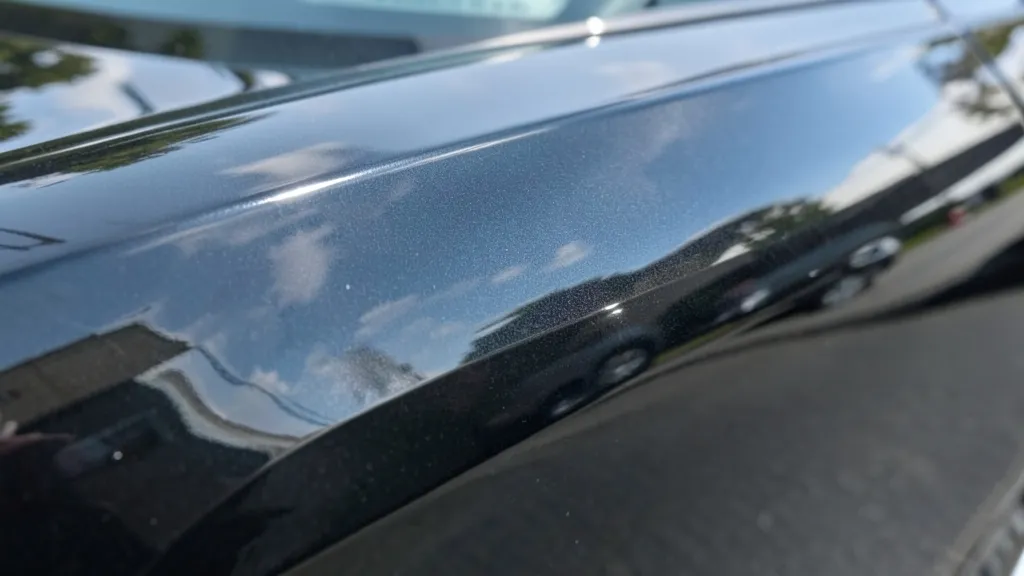
A single speck of dust can ruin weeks of prep work. For ceramic coating to bond perfectly and last, the environment must be as clean as the paint itself. In Honolulu’s humid, dusty conditions, this isn’t optional—it’s essential for a showroom finish that endures.
Contamination: The Silent Killer of Ceramic Coating Durability
Ceramic coatings form a molecular bond with your vehicle’s clear coat. Dust, pollen, or even microscopic debris trapped in that layer weakens adhesion, leading to premature peeling or cloudy spots.
In Honolulu, trade winds carry salt and volcanic ash—particles that embed into fresh coatings if not controlled. A contaminated surface won’t just look bad; it’ll fail faster under our intense UV and salt exposure.
Skipping environmental control voids most manufacturer protections. If the air isn’t filtered, the coating isn’t protected.
How Humidity in Honolulu Affects Curing and Clarity
High humidity slows the cross-linking process, extending cure times and increasing the window for contaminants to settle. Our coastal climate means we must actively dehumidify the workspace.
Improper curing in humid conditions can leave a hazy finish or reduce the hydrophobic effect. That’s why we monitor moisture levels as closely as we do surface cleanliness.
The Step-by-Step Prep: From Wash to Dust-Free Booth
We start with a thorough decontamination wash using pH-neutral soaps and iron-removing clay bars. This strips embedded grime that standard washes miss.
Next, paint correction removes swirls and oxidation. Only after a flawless, glossy surface do we move to the booth—where HEPA filters and positive air pressure keep particles out.
Dust-Free Booths vs. Open-Air Application: What Honolulu Drivers Need to Know
Open-air applications are risky here. Even a gentle breeze off the Koʻolau Range can deposit dust mid-application, ruining the finish.
Our controlled booths use multi-stage filtration to capture particles as small as 0.3 microns—smaller than a grain of salt. This is the only way to ensure a defect-free coat.
| Factor | Open-Air Application | Controlled Booth Application |
|---|---|---|
| Contamination Risk | High (wind, dust, pollen) | Minimal (HEPA filtration) |
| Cure Consistency | Variable (humidity, temp swings) | Stable (climate-controlled) |
| Finish Quality | Prone to defects | Flawless, high-gloss |
| Longevity | Reduced (3-4 years) | Maximized (5-7+ years) |
Tools and Techniques to Maintain a Pristine Workspace
We use tack cloths between each coating layer to lift any stray fibers. Microfiber applicators are washed in distilled water to prevent mineral deposits.
Even our lighting is designed to reveal dust. High-intensity LEDs at oblique angles highlight imperfections before the coating cures.
Booth Readiness Check
- HEPA filters replaced within 30 days
- Floors and walls wiped down with anti-static solution
- Humidity below 50%, temperature 65–75°F
- All tools and vehicles pre-cleaned with compressed air
Common Mistakes DIYers Make in Honolulu—and How We Avoid Them
Many attempt ceramic coating in their garage, only to find dust settled overnight. Without proper air circulation, even a “clean” garage traps particles.
Others skip the paint correction step, applying coating over swirls. The result? A magnified, permanent defect. We never cut corners—our prep is as meticulous as our application.
If you’re considering DIY, test your workspace first. Place a black panel overnight—if you see dust in the morning, it’s not suitable for coating.
Beyond Ceramic Coating: Protecting Your Investment in Pearl City, Aiea, and Beyond
A perfect coating starts with a perfect environment, but maintenance matters too. We recommend ceramic window tint to block UV and reduce interior heat, especially for drivers in Kailua and Kaneohe.
For wheels and brake calipers, our ceramic coatings resist brake dust and road grime—critical for Waipahu’s busy streets. Pair it with paint protection film for ultimate defense against rock chips.
How to Prepare Your Vehicle for a Dust-Free Ceramic Coating Application
Proper prep ensures the coating bonds flawlessly and lasts for years.
- 1Deep Clean and Decontaminate
Wash the vehicle with a pH-neutral automotive shampoo, then use a clay bar to remove embedded contaminants. Dry with a clean microfiber towel.
- 2Paint Correction
Use a dual-action polisher to remove swirl marks, oxidation, and light scratches. This step reveals the true paint depth for optimal coating adhesion.
- 3Final Surface Wipe-Down
Clean the surface with isopropyl alcohol (70% or higher) to remove any remaining oils or residues. This ensures a chemically clean base for the coating.
- 4Booth Preparation
Move the vehicle into a dust-free, climate-controlled booth. Use compressed air to blow off any loose particles from crevices and panels.
- 5Pre-Application Inspection
Under high-intensity lighting, inspect the paint for missed defects or dust. Address any issues before the first coat is applied.
Frequently Asked Questions
How long does ceramic coating take to cure in Honolulu’s climate?
Initial curing takes 24–48 hours, but full cross-linking can take 7–14 days, especially in high humidity. We recommend keeping the vehicle dry and avoiding harsh cleaners during this period.
Can ceramic coating be applied in an open garage in Aiea?
Not ideally. Open garages expose the vehicle to dust, pollen, and salt air—all of which compromise the finish. A controlled environment is critical for professional results.
What happens if dust gets trapped under the ceramic coating?
Trapped dust creates visible bumps or cloudiness and weakens adhesion. The coating may peel prematurely or fail to repel water effectively. Prevention is the only solution.
Do you offer ceramic coating for fleets or commercial vehicles in Waipahu?
Yes. Fleet vehicles benefit greatly from ceramic coatings due to constant exposure to road grime and UV. We tailor our process for larger vehicles and higher-mileage needs.
Is paint correction always necessary before ceramic coating in Kailua?
Almost always. Even minor swirls or oxidation will be magnified under the coating’s gloss. Correction ensures a mirror-like finish that enhances the coating’s depth and clarity.
How do you handle humidity during ceramic coating application?
We use industrial dehumidifiers to maintain humidity below 50%. This stabilizes the curing process and prevents moisture-related defects like hazing or poor adhesion.