The Most Common Ceramic Coating Problems and How to Fix Them in Ceramic Coating Honolulu
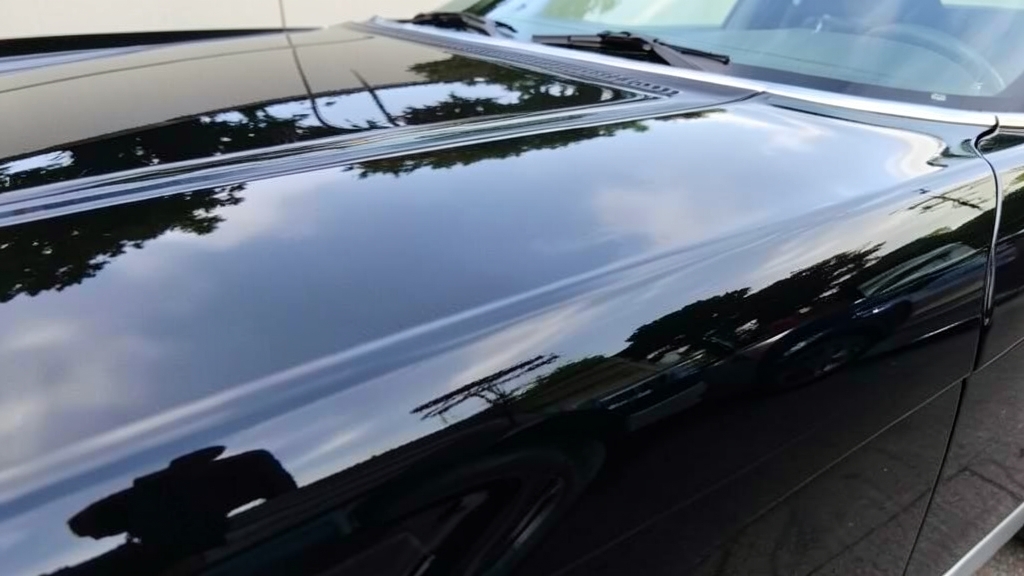
Ceramic coatings are a game-changer for paint protection, but even the best applications can run into issues. Our team sees the same problems pop up in Honolulu’s salty air and intense sun—water spots, streaks, or premature failure. Here’s how to diagnose, fix, and prevent them like a pro.
Why Ceramic Coatings Fail (Even in Honolulu’s Climate)
Most coating failures trace back to poor prep. Salt, road grime, or old wax left on the paint prevents proper bonding. In coastal areas like Kailua or Kaneohe, this is especially common.
Improper curing is another culprit. Humidity and temperature swings in Waipahu or Pearl City can disrupt the cross-linking process if not controlled. Always follow the manufacturer’s curing guidelines.
Low-quality products or incorrect layering also lead to early degradation. Not all coatings are built for Hawaii’s UV exposure—cheap ones break down faster under our sun.
Skipping paint correction before coating locks in swirls and defects. This ruins the finish and voids most warranties. Always start with a full decontamination and polishing step.
Water Spots and Mineral Deposits: The Honolulu Struggle
Our island’s hard water and ocean mist leave stubborn mineral deposits. These etch into the coating if not removed quickly, creating permanent spots.
Fix: Use a pH-neutral detailer or a dedicated water spot remover. For severe cases, a light polish with a fine compound may be needed—but this risks thinning the coating.
Prevention is key. Rinse your vehicle weekly, especially after drives near the shore in areas like Aiea. A ceramic-coated car still needs maintenance.
Streaks, Haze, and Uneven Gloss: Application Mistakes
Streaks often come from uneven application or working in direct sunlight. Honolulu’s heat can cause the coating to flash (dry too fast), trapping streaks in the finish.
Haze usually means residue from polish or improper buffing. Reworking the area with a clean microfiber and isopropyl alcohol (70% or higher) can restore clarity.
Uneven gloss? This points to inconsistent layer thickness. A second coat may be needed, but only after the first fully cures—typically 24-48 hours in ideal conditions.
| Issue | Likely Cause | Solution |
|---|---|---|
| Water spots | Hard water minerals, delayed cleaning | pH-neutral detailer or light polish |
| Streaks | Uneven application, high heat | Reapply in shaded area, work in small sections |
| Haze | Polish residue, improper buffing | Isopropyl alcohol wipe-down, re-buff |
| Peeling | Poor prep, contamination | Remove coating, re-prep surface, reapply |
| Reduced hydrophobicity | UV degradation, improper maintenance | Reapply maintenance spray, check curing |
Loss of Hydrophobic Properties Over Time
Ceramic coatings lose their water-beading ability as the top layer degrades. In Honolulu, UV rays and salt accelerate this. It doesn’t mean the coating is gone—just the hydrophobic top layer.
Restore it with a ceramic boost spray or a maintenance coat. These products refresh the SiO2 or TiO2 content without a full reapplication.
If the entire coating has worn thin, a full reapplication may be needed. This is common after 2-3 years, depending on the product and local conditions.
Wash your car with a pH-neutral shampoo and use a ceramic-safe quick detailer every 1-2 months. Avoid automatic car washes with harsh brushes—they scratch the coating.
Swirl Marks and Scratches: When Coatings Aren’t Invincible
Ceramic coatings resist light scratches but aren’t scratch-proof. Improper washing (dirty mitts, rough towels) or automatic car washes can still leave swirls.
Fix: Light swirls can often be polished out, but this requires removing a thin layer of the coating. For deep scratches, Paint Protection Film (PPF) is a better long-term solution.
For wheels and brake calipers—high-wear areas—consider a dedicated wheel ceramic coating. These are formulated to handle brake dust and higher temps.
Peeling or Delamination: The Worst-Case Scenario
Peeling means the coating never bonded properly. This is almost always due to contamination during prep—oils, wax, or silicones left on the paint.
There’s no quick fix. The coating must be fully removed, the surface re-prepped with a clay bar and IPA wipe, and the coating reapplied. In extreme cases, paint correction may be needed first.
This is why professional application matters. Our team in Honolulu uses paint thickness gauges to ensure the surface is clean and ready for bonding.
Pre-Application Prep Checklist
- Wash vehicle with pH-neutral shampoo
- Clay bar decontamination to remove embedded particles
- Iron remover spray for brake dust and rail dust
- IPA wipe-down to remove oils and residues
- Paint correction (polishing) if swirls or oxidation are present
- Final IPA wipe before coating application
Maintenance Mistakes That Shorten Coating Life
Using harsh cleaners or wax on a ceramic coating breaks down the bond. Stick to pH-neutral products and avoid anything with fillers or silicones.
Parking under trees? Sap and bird droppings are acidic and can etch the coating if left too long. Remove them ASAP with a quick detailer.
Even ceramic coatings need UV protection. If your car sits outside in Kaneohe or Waipahu, consider a ceramic window tint to reduce interior heat and UV exposure.
When to Call a Professional in Honolulu
If you’re seeing peeling, severe haze, or deep scratches, DIY fixes may do more harm than good. A pro can assess whether the coating can be saved or needs a full reapplication.
For fleet or commercial vehicles, we offer specialized ceramic coatings designed for high-mileage use. These often include added UV inhibitors for Hawaii’s conditions.
Headlight restoration and coating is another service we provide. Yellowed, oxidized headlights reduce visibility—ceramic coatings can restore clarity and add UV protection.
How to Remove Water Spots from a Ceramic Coating
Act fast to prevent permanent etching—here’s the step-by-step process our team uses.
- 1Rinse Immediately
Use a pressure washer or hose to remove loose minerals. Avoid letting spots dry in the sun.
- 2Apply a pH-Neutral Detailer
Spray a ceramic-safe detailer onto the affected area and agitate gently with a microfiber towel.
- 3Use a Water Spot Remover (If Needed)
For stubborn spots, apply a dedicated remover with a microfiber applicator. Let it dwell for 30-60 seconds.
- 4Rinse and Dry
Rinse thoroughly and dry with a clean microfiber towel. Inspect under direct light to confirm removal.
- 5Apply a Ceramic Boost Spray
Restore hydrophobicity with a maintenance spray to refresh the coating’s top layer.
Frequently Asked Questions
How often should I reapply ceramic coating in Honolulu’s climate?
High-quality coatings last 2-5 years, but Hawaii’s UV and salt can shorten this. We recommend a maintenance boost every 6-12 months and a full reapplication at the 2-3 year mark. Request a quote for an assessment.
Can I apply ceramic coating over existing wax or sealant?
No. Wax or sealant must be fully removed first, or the coating won’t bond. This requires a thorough decontamination and IPA wipe-down. Skipping this step leads to peeling.
Why does my ceramic coating look streaky after application?
Streaks usually mean the coating was applied too thickly, in high heat, or not leveled properly. Work in small sections, in the shade, and buff off excess before it flashes.
Is ceramic coating worth it for older cars in Pearl City or Aiea?
Absolutely, but only after paint correction. Older cars often have oxidation or swirls that need addressing first. A coating will lock in the corrected finish and protect it for years.
Can ceramic coating be applied to wheels and brake calipers?
Yes, but use a wheel-specific ceramic coating. These are formulated to handle higher temperatures and brake dust. We offer this service for full vehicle protection, including calipers.
What’s the difference between ceramic coating and Paint Protection Film (PPF)?
Ceramic coatings are liquid-applied and enhance gloss while resisting UV and contaminants. PPF is a physical film that protects against rock chips and deep scratches. Many owners combine both for ultimate protection.