How to Safely Remove Bug Splatter from Your Ceramic Coating in Honolulu in Ceramic Coating Honolulu, HI
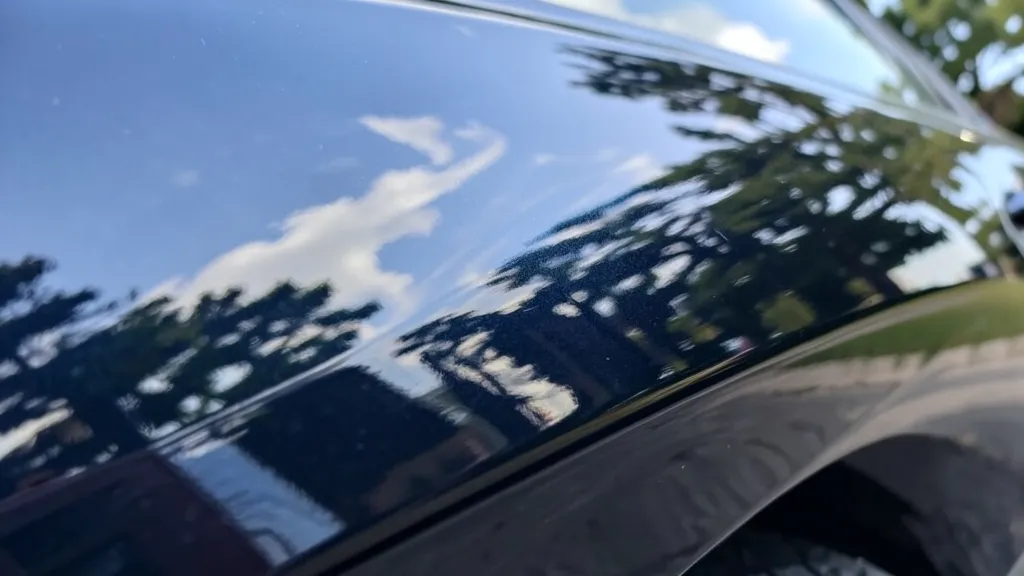
Bug splatter is a fact of life for drivers in Honolulu, especially after long stretches on the H-1 or trips to the North Shore. While ceramic coatings repel water and contaminants, dried insect residue can still cling stubbornly. We’ll show you how to remove it safely without compromising your coating’s integrity or hydrophobic finish.
Why Bug Splatter Sticks to Ceramic Coating
Ceramic coatings create a slick, hydrophobic surface that sheds water and light dirt. However, bug splatter contains proteins and acids that bond tightly to paint, even over a coating.
In Honolulu’s warm, humid climate, insect residue dries fast, making it harder to remove. The longer it sits, the higher the risk of etching or staining the clear coat beneath.
What You’ll Need for Safe Removal
Gather a pH-neutral automotive shampoo, microfiber wash mitts, and high-quality microfiber drying towels. Avoid household cleaners—they can degrade the coating’s chemistry.
For stubborn spots, you’ll need isopropyl alcohol (70% or higher), a clay bar, and a lubricant spray. These tools are gentle on coatings but tough on contaminants.
Essential Tools
- pH-neutral car shampoo
- Microfiber wash mitts and towels
- Isopropyl alcohol (70%+)
- Clay bar and lubricant
- Detail spray or quick detailer
- Soft-bristle brush (for crevices)
Step-by-Step Removal Process
Start by rinsing the affected area with cool water to soften the residue. Hot water can bake the splatter onto the surface, making removal harder.
Apply a pH-neutral shampoo with a microfiber mitt, using gentle, circular motions. Let it dwell for 1-2 minutes to break down the organic material.
Tackling Stubborn Splatter Without Damage
If the splatter remains, dampen a microfiber towel with isopropyl alcohol and gently blot the area. Avoid scrubbing aggressively—this can mar the coating’s gloss.
For embedded residue, use a clay bar with plenty of lubricant. The clay lifts contaminants without abrasion, preserving the coating’s hydrophobic layer.
Never use abrasive pads, harsh degreasers, or automatic car washes with stiff brushes. These can strip or scratch your ceramic coating.
When to Call a Professional Detailer
If the splatter has etched the clear coat or left behind stains, it’s time for professional help. Our team in Honolulu specializes in paint correction and ceramic coating restoration.
Drivers in Pearl City, Aiea, or Waipahu often face heavier bug accumulation due to proximity to agricultural areas. A detailer can assess whether the coating needs reapplication or touch-ups.
Preventing Future Bug Splatter Buildup
Regular maintenance is key. Wash your vehicle every 1-2 weeks with a pH-neutral shampoo to prevent contaminants from bonding. A quick detailer spray after washes enhances the coating’s hydrophobic properties.
For added protection, consider Paint Protection Film (PPF) on high-impact areas like the front bumper, hood, and fenders. PPF in Kailua or Kaneohe is popular for drivers who frequently tackle the Pali or Like Like highways.
Apply a ceramic boost spray every 3-6 months to refresh the coating’s water-repellent finish and make future cleanup easier.
Ceramic Coating vs. Wax: How They Handle Bug Splatter
Ceramic coatings outperform traditional wax in durability and resistance to contaminants. Wax breaks down quickly under UV exposure and requires frequent reapplication, especially in Honolulu’s intense sun.
While both provide a glossy finish, ceramic coatings form a harder, longer-lasting bond with the paint, making bug splatter easier to remove without damaging the surface.
| Feature | Ceramic Coating | Traditional Wax |
|---|---|---|
| Durability | 2-5+ years | 1-3 months |
| Hydrophobic Properties | High (water beads strongly) | Moderate (fades over time) |
| Resistance to Bug Splatter | Excellent (easier cleanup) | Fair (can stain or etch) |
| UV Protection | High | Low |
| Maintenance | Low (wash and boost sprays) | High (frequent reapplication) |
Local Considerations for Honolulu Drivers
Honolulu’s unique climate—high humidity, salt air, and intense UV—accelerates paint and coating wear. Bug splatter here often contains salt and other corrosive elements from the ocean breeze.
If you frequently drive through areas like Waipahu or Kaneohe, where agricultural dust mixes with insect debris, more frequent decontamination washes are essential to preserve your coating.
How to Remove Bug Splatter from Ceramic Coating
Follow these steps to safely remove bug splatter without damaging your ceramic coating.
- 1Rinse the Area
Use cool water to soften the bug splatter. Avoid hot water, as it can set the residue into the coating.
- 2Apply pH-Neutral Shampoo
Wash the area with a microfiber mitt and pH-neutral shampoo. Let it sit for 1-2 minutes to break down the organic material.
- 3Blot with Isopropyl Alcohol
For stubborn spots, dampen a microfiber towel with 70%+ isopropyl alcohol and gently blot the splatter. Do not rub aggressively.
- 4Use a Clay Bar if Needed
If residue remains, use a clay bar with lubricant to lift contaminants without scratching the coating.
- 5Rinse and Dry
Rinse the area thoroughly and dry with a clean microfiber towel. Apply a quick detailer to restore hydrophobicity.
Frequently Asked Questions
Can I use a pressure washer to remove bug splatter from my ceramic coating?
Yes, but keep the pressure below 2,000 PSI and use a 40-degree nozzle to avoid damaging the coating. Always pre-rinse with cool water and follow up with a gentle wash.
Will bug splatter damage my ceramic coating over time?
Bug splatter itself won’t damage the coating, but if left untreated, the acids can etch the underlying clear coat. Regular cleaning prevents long-term issues.
How often should I wash my car in Honolulu to prevent bug splatter buildup?
We recommend washing every 1-2 weeks, especially if you drive frequently in areas like Pearl City or Aiea, where bug splatter is common. Use a pH-neutral shampoo for best results.
Is it safe to use a bug and tar remover on ceramic coating?
Avoid commercial bug and tar removers, as they often contain harsh solvents that can degrade ceramic coatings. Stick to isopropyl alcohol or a dedicated ceramic-safe cleaner.
Can I apply a new ceramic coating over bug splatter stains?
No. The surface must be fully decontaminated and corrected before applying a new coating. Bug splatter or stains will be sealed under the new layer, leading to imperfections.
Does Paint Protection Film (PPF) help with bug splatter in Ceramic Coating Honolulu?
Absolutely. PPF provides a sacrificial layer that absorbs impacts from bugs and road debris. It’s a great addition to ceramic coating for drivers in high-risk areas like Kailua or Kaneohe.