PPF or Ceramic Coating: Which Protects Your Ride Better in Ceramic Coating Honolulu?
Honolulu’s relentless sun, salty air, and volcanic debris take a toll on your vehicle’s finish. We break down whether Paint Protection Film or a professional ceramic coating offers the best defense—and value—for local drivers.
Why Honolulu Drivers Need More Than Wax
Our island climate accelerates paint damage: UV rays fade clear coat, salt air promotes corrosion, and road grit causes micro-scratches. Standard wax or sealants can’t withstand this daily assault.
Ceramic coatings and PPF are the only long-term solutions engineered for these conditions. Both outperform traditional methods, but they protect in fundamentally different ways.
How Ceramic Coatings Work on Your Paint
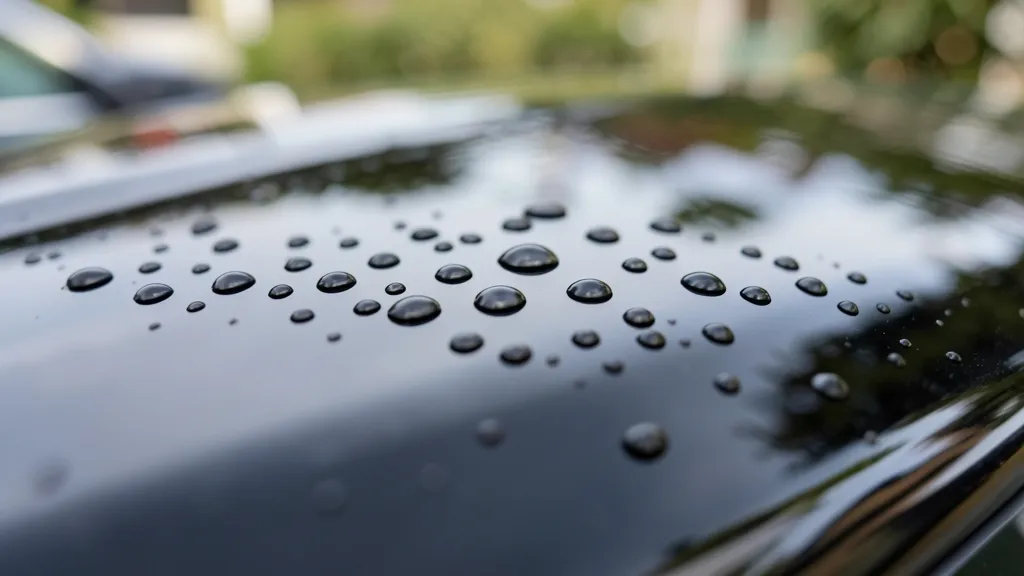
A professional-grade ceramic coating bonds chemically with your vehicle’s clear coat, forming a semi-permanent hydrophobic layer. This isn’t a spray-on product—it’s a multi-step application requiring paint correction first.
The result? Exceptional gloss, water beading, and resistance to UV oxidation, bird droppings, and light scratches. It won’t stop rock chips, but it makes cleaning easier and keeps your paint looking fresher, longer.
Ceramic coatings amplify imperfections. We always perform paint correction and polishing before application to ensure a flawless finish.
How Paint Protection Film (PPF) Shields Your Vehicle
PPF is a thick, self-healing urethane film applied to high-impact areas like the hood, bumper, and fenders. It absorbs impacts from rocks, sand, and debris that would chip or scratch bare paint.
Modern PPF is nearly invisible and can be paired with a ceramic coating on top for added gloss and easier maintenance. It’s the gold standard for physical damage protection in areas like Kailua or Kaneohe where road debris is common.
PPF vs. Ceramic Coating: Head-to-Head Comparison
The right choice depends on your priorities: long-term gloss and chemical resistance, or physical impact protection. Many Honolulu drivers opt for both, applying PPF to vulnerable areas and ceramic coating over the entire vehicle.
| Feature | Paint Protection Film (PPF) | Ceramic Coating |
|---|---|---|
| Protection Type | Physical (rock chips, scratches) | Chemical (UV, contaminants, light scratches) |
| Durability | 7-10 years | 2-5 years (pro-grade) |
| Self-Healing | Yes (minor scratches) | No (but some products have mild self-healing) |
| Gloss Enhancement | Moderate (can be topped with ceramic) | High (deep, mirror-like finish) |
| Maintenance | Easy (wash as normal) | Very easy (hydrophobic, repels dirt) |
| Installation Complexity | High (precision cutting, professional only) | Moderate (requires paint prep, best left to pros) |
| Best For | High-impact areas (hood, bumper, fenders) | Full-vehicle protection, gloss, and ease of cleaning |
Cost Factors: What Drives the Price in Honolulu
The cost of PPF or ceramic coating varies based on vehicle size, condition, and the level of protection you choose. Full-vehicle PPF is a significant investment due to material and labor, while ceramic coatings are more affordable for complete coverage.
Paint correction, the number of layers, and the quality of the product (e.g., Gyeon, Ceramic Pro, XPEL) all influence the final quote. For an accurate estimate, we recommend a consultation to assess your vehicle’s needs.
A daily-driven sedan in Waipahu may need different protection than a weekend cruiser in Pearl City. We tailor solutions to your driving habits and budget.
Which Offers Better Value for Honolulu’s Roads?
For most drivers, ceramic coating delivers the best value for full-vehicle protection. It’s a cost-effective way to shield against UV damage, salt, and contaminants while keeping your car easier to clean.
If you frequently drive on rough roads or in areas with loose gravel, PPF on high-impact zones—paired with a ceramic coating—offers the ultimate defense. This combo is popular among enthusiasts in Aiea and Kaneohe.
Maintenance Tips to Extend Your Protection
Both PPF and ceramic coatings require proper care to maximize their lifespan. Avoid automatic car washes with harsh brushes, and use pH-neutral shampoos to prevent premature degradation.
For ceramic coatings, periodic maintenance sprays can refresh hydrophobic properties. PPF should be inspected annually for lifting edges or damage.
Protection Care Essentials
- Wash with a microfiber mitt and pH-neutral soap
- Dry with a clean microfiber towel to prevent water spots
- Avoid wax or sealants (they can reduce ceramic coating performance)
- Park in shaded or covered areas to minimize UV exposure
- Address bird droppings or tree sap immediately to prevent etching
Beyond Paint: Other Areas to Protect
Don’t overlook other vulnerable surfaces. Ceramic window tint reduces heat and UV rays, while wheel and brake caliper coatings prevent brake dust buildup and corrosion from Honolulu’s humid air.
Interior ceramic protection keeps leather and plastic surfaces resistant to stains and fading. For older vehicles, headlight restoration and coating can improve visibility and safety.
How to Decide Between PPF and Ceramic Coating
Use this step-by-step guide to choose the right protection for your Honolulu vehicle.
- 1Assess Your Driving Conditions
Do you drive often on highways or rough roads? PPF may be critical for front-end protection. Mostly city driving? Ceramic coating could suffice.
- 2Evaluate Your Budget
PPF is more expensive upfront, especially for full coverage. Ceramic coatings offer a lower-cost entry point for comprehensive protection.
- 3Consider Your Vehicle’s Value
For high-end or classic cars, the extra cost of PPF is often justified. For daily drivers, ceramic coating provides excellent long-term value.
- 4Think About Aesthetics
Ceramic coatings enhance gloss and depth of color. PPF is more about invisible protection but can be paired with ceramic for the best of both worlds.
- 5Plan for Longevity
PPF lasts longer but may need partial replacement if damaged. Ceramic coatings require reapplication every few years but are easier to maintain.
- 6Consult a Professional
Schedule a consultation. We’ll inspect your paint, discuss your needs, and recommend the best solution for your car and lifestyle.
Frequently Asked Questions
Can I apply ceramic coating over existing PPF?
Yes, and it’s a smart combo. Ceramic coating over PPF enhances gloss, makes the film easier to clean, and extends its lifespan. This is a popular choice for drivers in Ceramic Coating Honolulu who want maximum protection.
How long does a ceramic coating last in Honolulu’s climate?
Professional-grade ceramic coatings typically last 2-5 years, but Honolulu’s intense UV and salt air can shorten this slightly. Regular maintenance and proper washing help extend durability.
Does PPF yellow over time?
Modern high-quality PPF is UV-resistant and designed to stay clear for years. Cheaper films may yellow, but we use premium brands like XPEL or 3M to ensure longevity for our clients.
Is paint correction necessary before ceramic coating?
Absolutely. Ceramic coatings lock in your paint’s current condition. Paint correction removes swirls, scratches, and oxidation, ensuring a flawless, high-gloss finish that the coating can amplify.
Can ceramic coating prevent rock chips?
No. While ceramic coatings add a hard layer of protection, they’re not thick enough to stop rock chips. For that, PPF is the only reliable solution. Many drivers combine both for full protection.
Do you offer ceramic coating for fleet or commercial vehicles in Honolulu?
Yes. We provide fleet and commercial vehicle coating services to protect company cars, vans, and trucks from the harsh local elements. This helps maintain resale value and reduces maintenance costs.