Why Certification Matters for Ceramic Pro and Trusted Ceramic Coating Brands in Honolulu in Ceramic Coating Honolulu, HI
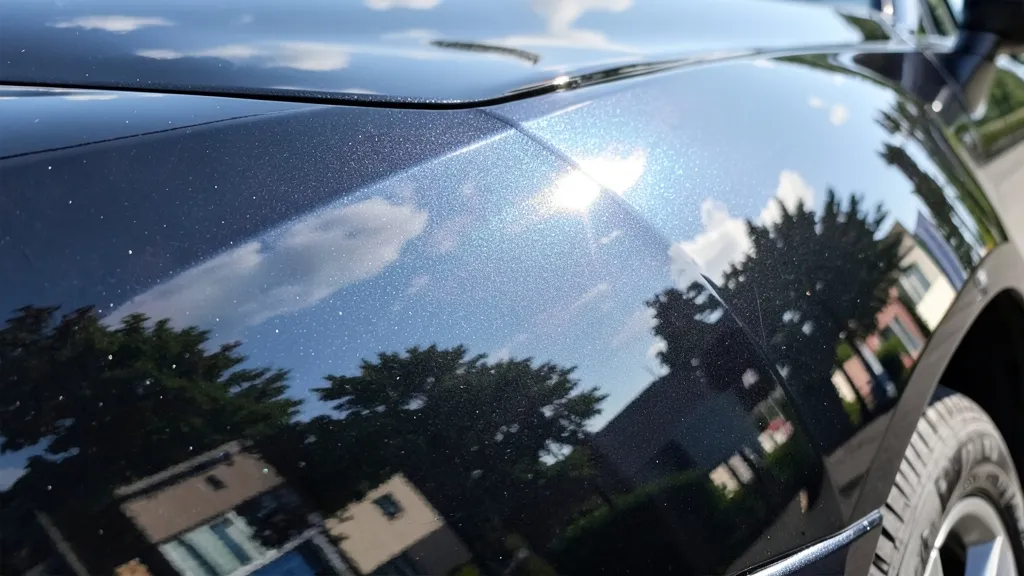
Not all ceramic coatings are created equal—and neither are the installers applying them. In Honolulu’s harsh climate, certification from brands like Ceramic Pro separates lasting protection from short-lived gimmicks. We’ll break down why certified expertise is non-negotiable for your vehicle’s finish.
What Certification Means for Ceramic Coating Quality
Certification ensures installers meet strict training standards for surface prep, application, and curing. Brands like Ceramic Pro require hands-on testing to verify skill with nano-ceramic formulas and multi-layer systems.
Uncertified applicators often skip critical steps like paint correction or proper decontamination. In Honolulu, where salt air accelerates oxidation, these shortcuts lead to premature failure and peeling.
Consumer-grade ceramic sprays lack the 9H hardness and longevity of professional-grade Ceramic Pro. Improper application can also void manufacturer warranties.
Ceramic Pro vs. Generic Coatings: The Certification Difference
Ceramic Pro’s certification program includes product-specific training for their proprietary SiO2 and TiO2 blends. This ensures consistent hydrophobic performance, UV resistance, and self-cleaning properties.
Generic coatings may claim similar benefits, but without brand-backed certification, durability isn't assured. In areas like Kailua or Kaneohe, where sun exposure is extreme, this distinction matters.
| Feature | Ceramic Pro Certified | Uncertified/Generic |
|---|---|---|
| Hardness (Pencil Test) | 9H+ | 2H–7H |
| Hydrophobic Longevity | 2–5+ years | 6–18 months |
| UV Resistance | 99%+ | Varies (often <80%) |
| Warranty Coverage | Up to lifetime (with maintenance) | None or limited |
| Salt Air Corrosion Protection | Superior (tested for coastal climates) | Inconsistent |
How Honolulu’s Climate Demands Certified Expertise
Our island’s combination of intense UV, salt spray, and humidity is a worst-case scenario for automotive paint. Local providers in Pearl City or Waipahu understand how to tailor layer thickness and curing times for these conditions.
Without certification, coatings may not bond properly to the clear coat, leading to water spotting or etching. This is especially risky for fleet vehicles or daily drivers exposed to Honolulu’s elements year-round.
The Role of Paint Correction Before Ceramic Coating
Certified Ceramic Pro installers always start with paint correction to remove swirl marks, oxidation, and water spots. Skipping this step—common with uncertified applicators—traps imperfections under the coating.
In Aiea or Kaneohe, where dust and pollen are constant, a smooth surface ensures the coating adheres uniformly. This prep work is what separates a 2-year coating from a 5-year one.
Reputable shops provide detailed paint thickness readings and photos pre- and post-correction. This transparency is a hallmark of skilled providers.
Warranty Protection: Why Certification Is Non-Negotiable
Ceramic Pro’s lifetime warranty (with annual maintenance) is only valid when applied by an authorized professional. Uncertified work voids coverage, leaving you unprotected if the coating fails.
Warranties also often require proof of proper prep, like paint correction and PPF installation on high-impact areas. In Honolulu, where rock chips are common, this documentation is critical.
Beyond Ceramic Coatings: Certified Services for Full Protection
Certified shops often offer complementary services like PPF installation for rocker panels, ceramic window tint for UV/heat rejection, and wheel/brake caliper coatings to resist brake dust etching.
For commercial fleets in Waipahu or Pearl City, providers can recommend tailored packages, such as interior ceramic protection for high-traffic vehicles or headlight restoration to maintain nighttime visibility.
Signs of a Certified Ceramic Coating Shop
- Displays brand-specific certification (e.g., Ceramic Pro, IAG, or Gtechniq)
- Offers written warranties with clear terms
- Provides a controlled environment for application (dust-free booth)
- Uses professional-grade decontamination (iron remover, clay bar)
- Requires annual inspections for warranty maintenance
Maintaining Your Certified Ceramic Coating in Honolulu
Even the best coatings need upkeep. Providers offer maintenance guides, including pH-neutral washes and annual reapplication of top-up layers to extend longevity.
In coastal areas like Kailua, more frequent washes (every 1–2 weeks) help prevent salt buildup. Avoid automatic car washes with harsh brushes—they can degrade the coating’s hydrophobic layer over time.
How to Verify a Ceramic Coating Installer’s Certification
Don’t take their word for it—here’s how to confirm you’re working with a true professional.
- 1Check the Brand’s Official Directory
Visit Ceramic Pro’s website or other brand directories to find installers in Honolulu. Look for active status.
- 2Ask for Proof of Training
Request to see their certification documents, which include completion dates and trainer signatures. Legitimate shops display these proudly.
- 3Inquire About Warranty Details
An installer will explain warranty terms upfront, including maintenance requirements and what voids coverage (e.g., improper washing or DIY touch-ups).
- 4Inspect Their Facility
Certified shops have climate-controlled bays to prevent dust contamination during application. Ask for a tour of their prep and curing areas.
- 5Request References or Portfolio
Ask for before/after photos of local vehicles (e.g., from Kaneohe or Waipahu) and contact past clients to verify satisfaction and durability.
Frequently Asked Questions
Does Ceramic Pro certification ensure better results in Honolulu?
Certification ensures the installer has been trained to handle Hawaii’s unique challenges, like salt air and UV exposure. It also provides access to professional-grade products with proven durability in coastal climates.
Can I apply Ceramic Pro myself if I buy the kit?
No. Ceramic Pro’s professional line requires certification to purchase and apply. DIY kits are consumer-grade and lack the hardness, longevity, and warranty protection of certified installations.
How often do I need to maintain my ceramic coating in Ceramic Coating Honolulu?
With proper care, Ceramic Pro lasts 2–5+ years. We recommend a pH-neutral wash every 1–2 weeks, annual inspections, and a top-up layer every 1–2 years to maximize lifespan, especially in high-exposure areas like Kailua.
Will a ceramic coating prevent rock chips in Honolulu?
Ceramic coatings add a hard, protective layer but aren’t a substitute for PPF. For full protection against rock chips (common on Honolulu’s highways), we recommend combining Ceramic Pro with paint protection film on high-impact areas.
What’s the difference between Ceramic Pro and other brands like Gtechniq?
Both are high-quality, but Ceramic Pro is known for its multi-layer systems and lifetime warranty (with maintenance). Gtechniq offers excellent hydrophobic properties. The best choice depends on your priorities—durability, warranty, or specific features like anti-graffiti.
Do professionals offer mobile ceramic coating services in Honolulu?
Some do, but mobile applications carry risks. Dust, wind, and uneven curing conditions can compromise results. For the best outcome, we recommend in-shop service with a controlled environment, especially for full-vehicle coatings.