Why Hard Water Can Ruin Your Ceramic Coating in Honolulu And How to Fix It in Ceramic Coating Honolulu, HI
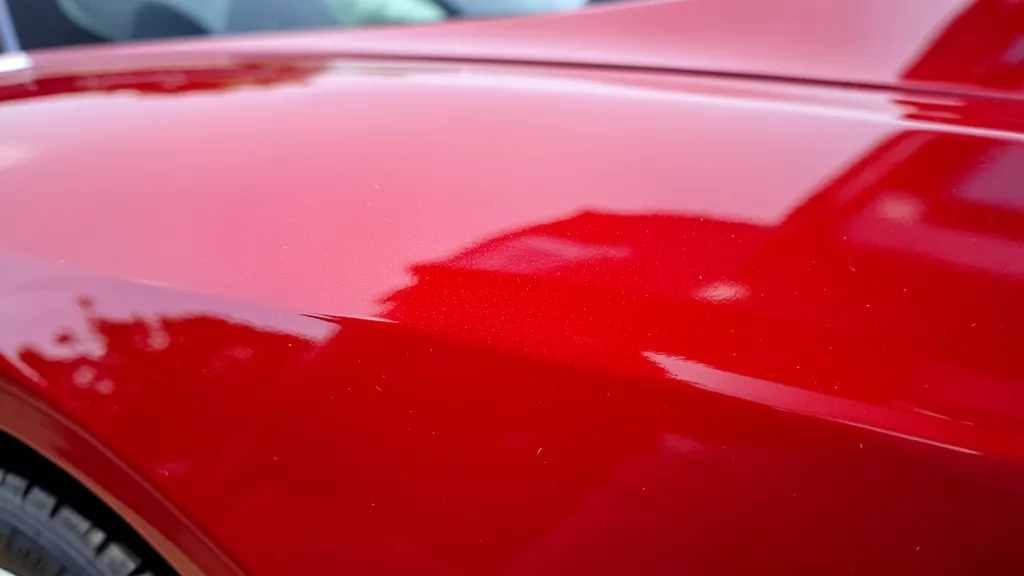
Honolulu’s tap water is notoriously hard, packed with calcium and magnesium that leave behind stubborn mineral spots. These spots don’t just look bad—they can etch into your ceramic coating, compromising its hydrophobic layer and longevity. We’ll show you how to prevent and fix the damage before it’s too late.
How Hard Water Damages Ceramic Coatings
Hard water contains dissolved minerals like calcium carbonate and magnesium. When water evaporates on your vehicle’s surface, these minerals are left behind as white or chalky deposits.
Over time, these deposits bond with the ceramic coating’s silica matrix. If not removed promptly, they can create micro-scratches and dull the finish, reducing the coating’s self-cleaning properties.
Honolulu’s water hardness levels often exceed 150 ppm, which accelerates spot formation—especially after a car wash or rainstorm.
Signs Your Ceramic Coating Is Suffering from Hard Water
Visible white or chalky residue is the first red flag. These spots often appear after washing or parking under sprinklers in areas like Pearl City or Aiea.
A rough texture when running your fingers over the surface indicates mineral buildup. This roughness disrupts the coating’s smoothness, reducing its hydrophobic effect.
Water no longer beads up as it should. If droplets spread out instead of forming tight beads, the coating’s integrity may already be compromised.
Hard Water vs. Soft Water: Impact on Your Coating
Soft water lacks the minerals that cause spotting, making it ideal for washing and rinsing. It won’t leave behind deposits that can harm your ceramic coating.
| Factor | Hard Water | Soft Water |
|---|---|---|
| Mineral Deposits | High (calcium, magnesium) | None |
| Spotting Risk | Severe, frequent | Minimal to none |
| Coating Longevity Impact | Reduces hydrophobic properties, can etch surface | Preserves coating integrity |
| Rinsing Efficiency | Poor, leaves residue | Excellent, clean finish |
Can You Remove Hard Water Spots Safely?
Yes—but timing and method are critical. Fresh spots can often be removed with a pH-neutral ceramic coating-safe cleaner and a microfiber towel.
For stubborn deposits, a dedicated water spot remover with mild acidic properties may be needed. However, aggressive products can strip the coating if misused.
Never use vinegar or harsh chemicals like CLR. These can break down the ceramic matrix, especially on newer coatings applied in Kailua or Kaneohe.
Household remedies like vinegar or lemon juice can permanently damage ceramic coatings. Stick to products formulated for automotive coatings.
Step-by-Step Fix for Hard Water Damage
Start with a thorough wash using a pH-neutral car shampoo to remove surface contaminants. This prevents further embedding of minerals during the correction process.
If spots remain, use a ceramic-safe water spot remover. Apply it to a microfiber applicator pad and work in small sections, following the product’s dwell time.
For severe etching, a light paint correction may be necessary to restore the surface before reapplying a ceramic coating. This is common for vehicles in Waipahu, where dust and hard water combine to accelerate damage.
Preventing Future Hard Water Damage
Always dry your vehicle immediately after washing. Use a high-quality microfiber drying towel to prevent water from evaporating and leaving minerals behind.
Consider installing a water softener or using distilled water for your final rinse. This is a game-changer for maintaining coatings in Honolulu’s hard water climate.
Apply a ceramic coating booster every 6-12 months. This replenishes the hydrophobic layer, making it harder for water spots to adhere.
Hard Water Prevention Checklist
- Use pH-neutral shampoo for every wash
- Dry vehicle immediately with microfiber towels
- Final rinse with distilled or softened water
- Apply ceramic coating booster annually
- Park in shaded areas to slow water evaporation
When to Call a Professional for Ceramic Coating Repair
If hard water spots have caused visible etching or the coating’s hydrophobic properties are gone, it’s time for professional intervention. DIY fixes won’t restore the surface.
Our team specializes in paint correction and ceramic coating restoration. We’ll assess the damage and determine if a touch-up or full reapplication is needed.
For fleets or commercial vehicles in Honolulu, we also offer bulk ceramic coating services to keep your entire lineup protected from hard water and UV damage.
If you frequently drive through areas with overhead sprinklers (common in Waipahu or Pearl City), consider adding a ceramic window tint. It repels water spots just like your paint coating.
How to Remove Hard Water Spots from Ceramic Coating
Follow these steps to safely eliminate mineral deposits without damaging your coating.
- 1Wash the Vehicle
Use a pH-neutral car shampoo and a wash mitt to remove loose contaminants. Avoid automated car washes, as their brushes can grind in minerals.
- 2Dry Thoroughly
Use a clean microfiber towel to dry the surface completely. This prevents new spots from forming as water evaporates.
- 3Apply Water Spot Remover
Spray a ceramic-safe water spot remover onto the affected areas. Let it dwell for the recommended time—usually 30-60 seconds.
- 4Agitate Gently
Use a microfiber applicator pad to gently work the product into the spots. Avoid excessive pressure to prevent swirl marks.
- 5Rinse and Inspect
Rinse the area with distilled water and inspect. Repeat if necessary, or proceed to paint correction for deep etching.
- 6Reapply Protection
Once spots are removed, apply a ceramic coating booster or spray sealant to restore hydrophobicity.
Frequently Asked Questions
How long does it take for hard water to damage ceramic coating in Honolulu?
Mineral spots can begin etching the coating within 24-48 hours, especially in direct sunlight. The longer they sit, the harder they are to remove without professional paint correction.
Can I use a pressure washer to remove hard water spots?
Pressure washers can help rinse off loose contaminants, but they won’t remove bonded mineral deposits. In fact, high pressure can drive minerals deeper into the coating if not used carefully.
Does ceramic coating prevent hard water spots entirely?
No coating is 100% spot-proof, but a high-quality ceramic coating significantly reduces their adhesion. Regular maintenance, like using distilled water for rinses, enhances protection.
What’s the difference between hard water spots and water etching?
Hard water spots are surface-level mineral deposits. Water etching occurs when minerals eat into the clear coat or ceramic layer, creating permanent marks that require polishing to remove.
Is hard water damage covered under ceramic coating warranties in Ceramic Coating Honolulu?
Most warranties cover defects in the coating itself but not damage from improper maintenance, like failing to remove hard water spots. Always check your warranty terms and follow care guidelines.
Can hard water affect other ceramic-coated parts, like wheels or windows?
Absolutely. Wheels and brake calipers coated with ceramic are just as vulnerable to mineral buildup, especially in Honolulu’s salty, humid air. Ceramic window tints can also suffer from hard water spots, reducing visibility.