Avoid These DIY Ceramic Coating Mistakes to Protect Your Ride in Ceramic Coating Honolulu
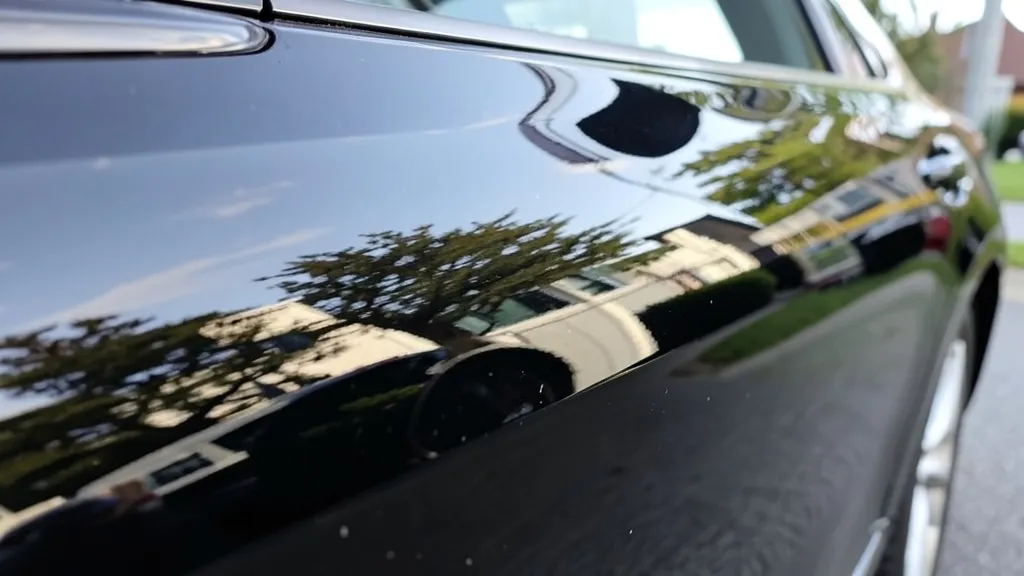
DIY ceramic coating seems like a weekend project, but one misstep can leave your paint worse off than before. Our team sees the fallout firsthand—peeling, hazing, and wasted product—from even the most well-intentioned Honolulu car owners. Here’s how to avoid the pitfalls and get a showroom-worthy finish that lasts.
Why DIY Ceramic Coating Goes Wrong So Often
Most failures start with poor surface prep. Nano-ceramic polymers bond chemically to clear coat, not contaminants. Skip clay bar decontamination or iron remover, and you’re sealing in grit that will haunt you later.
Honolulu’s salty air and volcanic dust demand extra attention. Even a freshly washed car can have embedded particles invisible to the naked eye. A single missed step here voids the coating’s longevity.
Applying ceramic coating over swirls or oxidation locks in imperfections permanently. Paint correction is non-negotiable for a flawless base.
The Surface Prep Checklist Pros Never Skip
Start with a thorough two-bucket wash using pH-neutral shampoo. Then, decontaminate with a clay bar and lubricant to remove embedded contaminants.
Next, inspect under direct light for swirls, scratches, or water spots. Paint correction with compound and polish restores clarity before coating. In humid climates like Kailua or Kaneohe, work in a garage to control dust.
Pre-Coating Prep Essentials
- Two-bucket wash with grit guards
- Clay bar decontamination
- Iron remover spray for embedded particles
- Paint correction (compound + polish) as needed
- Final wipe-down with IPA solution (50/50 isopropyl alcohol and distilled water)
Ambient Conditions: Honolulu’s Hidden Enemy
Temperature and humidity are critical. Ideal conditions: 60–80°F with humidity below 50%. Honolulu’s trade winds help, but morning dew or sudden rain can ruin a fresh coat.
Work in a shaded, dust-free area. Direct sunlight causes the coating to flash (dry too fast), leading to high spots and uneven curing. Aiea and Waipahu’s inland heat requires early starts or AC-controlled spaces.
Product Selection: Not All Ceramic Coatings Are Equal
Consumer-grade sprays lack the durability of professional nano-ceramic polymers. True ceramic coatings (like those we use for full-vehicle jobs) contain 70–90% SiO2 or TiO2, offering 2–5 years of protection.
Avoid “ceramic” marketing gimmicks. Look for hydrophobic contact angles above 110° and UV resistance ratings. For wheels or brake calipers in Pearl City’s stop-and-go traffic, specialized high-temp formulas are a must.
| Type | SiO2 Content | Durability | Best For |
|---|---|---|---|
| Consumer spray | 10–30% | 3–6 months | Quick shine, minimal protection |
| Prosumer liquid | 50–70% | 1–2 years | DIY enthusiasts, weekend detailers |
| Professional-grade | 70–90% | 2–5+ years | Full-vehicle, wheels, PPF toppers |
| High-temp wheel/caliper | 80%+ (modified) | 2–4 years | Brake components, high-heat areas |
Application Errors That Spell Disaster
Over-applying product is a rookie move. Excess coating leads to streaking, high spots, and wasted material. Use a foam applicator block and work in small 2x2 ft sections.
Cross-contamination is another killer. Never reuse applicators or towels between panels. Microfibers must be ultra-plush (400+ GSM) to avoid marring. In windy areas like Kaneohe, keep a spray bottle of IPA handy to remove dust mid-application.
A single, thin layer of professional ceramic coating outperforms three sloppy ones. Focus on even coverage, not thickness.
Curing: The Most Overlooked Step
Ceramic coatings don’t dry—they cure. The first 24 hours are critical. Avoid water, rain, or even heavy humidity. Park indoors if possible; Honolulu’s afternoon showers can wash away uncured layers.
Full chemical bonding takes 7–14 days. During this period, avoid automatic car washes, bird droppings, or harsh chemicals. For fleet or commercial vehicles in Waipahu, plan downtime accordingly.
When to Call in the Pros (And Why It’s Worth It)
Some jobs are beyond DIY. Paint correction for deep scratches or swirls requires machine polishing expertise. Our team uses dual-action polishers and precise lighting to achieve mirror finishes.
For paint protection film (PPF) installation or ceramic window tint, professional tools and experience prevent bubbles, peeling, or misalignment. In areas like Kailua, where UV exposure is extreme, pro-grade coatings add years to your vehicle’s lifespan.
If you’re tackling a DIY coating, start with a single panel (like a hood) to test your technique. Wheel ceramic coating is another great beginner project—less visible if mistakes happen.
How to Fix a Botched DIY Ceramic Coating Job
Mistakes happen, but they’re not always permanent—if you act fast.
- 1Assess the Damage
Check for high spots, streaks, or hazing. If the coating hasn’t fully cured (within 24–48 hours), you may still have a window to correct it.
- 2Re-Wet the Surface
Lightly mist the area with IPA solution or the coating’s dedicated remover. This can re-emulsify uncured product for removal.
- 3Gently Buff Away Excess
Use a clean, damp microfiber towel or a light polishing compound to remove high spots. Avoid aggressive pressure to prevent marring the clear coat.
- 4Reapply Correctly
Once the surface is clean and dry, reapply the coating in thin, even layers. Stick to the manufacturer’s recommended flash times.
- 5Let It Cure Undisturbed
Park the vehicle in a controlled environment for at least 24 hours. Avoid washing or exposing it to moisture during this period.
Frequently Asked Questions
How long does a DIY ceramic coating last in Honolulu’s climate?
With proper prep and application, a prosumer-grade coating can last 1–2 years. However, Honolulu’s UV intensity, salt air, and frequent rain may shorten this to 12–18 months. Professional coatings often exceed 3 years even in harsh conditions.
Can I apply ceramic coating over old wax or sealant?
No. Wax and sealants leave residues that prevent the ceramic coating from bonding. Strip all previous products with a prep solvent or IPA wipe-down before application. This step is critical for durability.
What’s the biggest mistake first-timers make with ceramic coating?
Skipping paint correction. Many assume a wash and clay bar are enough, but swirls, scratches, or oxidation will be permanently sealed under the coating. Always inspect and correct the paint first.
Is ceramic coating worth it for older cars in Ceramic Coating Honolulu?
Absolutely—if the paint is in decent shape. Ceramic coatings protect against UV fading, salt corrosion, and oxidation, which are major concerns for older vehicles in Hawaii. Pair it with headlight restoration for a full refresh.
Can I ceramic coat my wheels and brake calipers myself?
Yes, but it’s tricky. Wheels require thorough cleaning to remove brake dust and iron particles. Use a high-temp ceramic coating formula and apply in thin layers. Caliper coating demands precision to avoid overspray on rotors or pads.
How do I maintain my ceramic coating in Hawaii’s conditions?
Wash your car every 1–2 weeks with pH-neutral shampoo and use a ceramic-safe quick detailer between washes. Avoid automatic car washes with harsh brushes. For extra protection, consider a ceramic boost spray every 3–6 months.